

Southeast Asian highly decorative example "Boat Money" (Tampang) a primitive currency from the Sumatra/Malay trade networks (c. 15th - 18th Century)., itemnumber: W5151
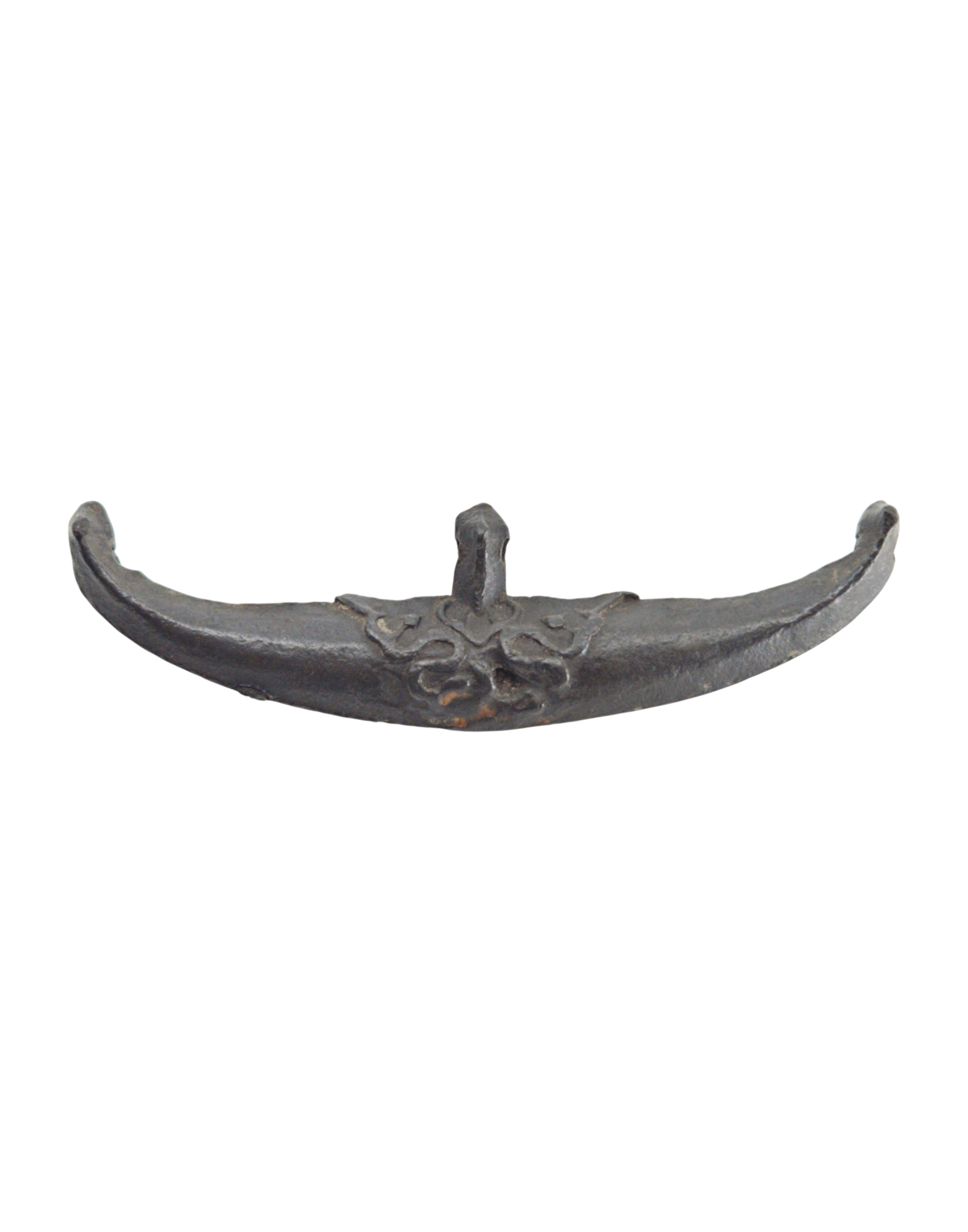
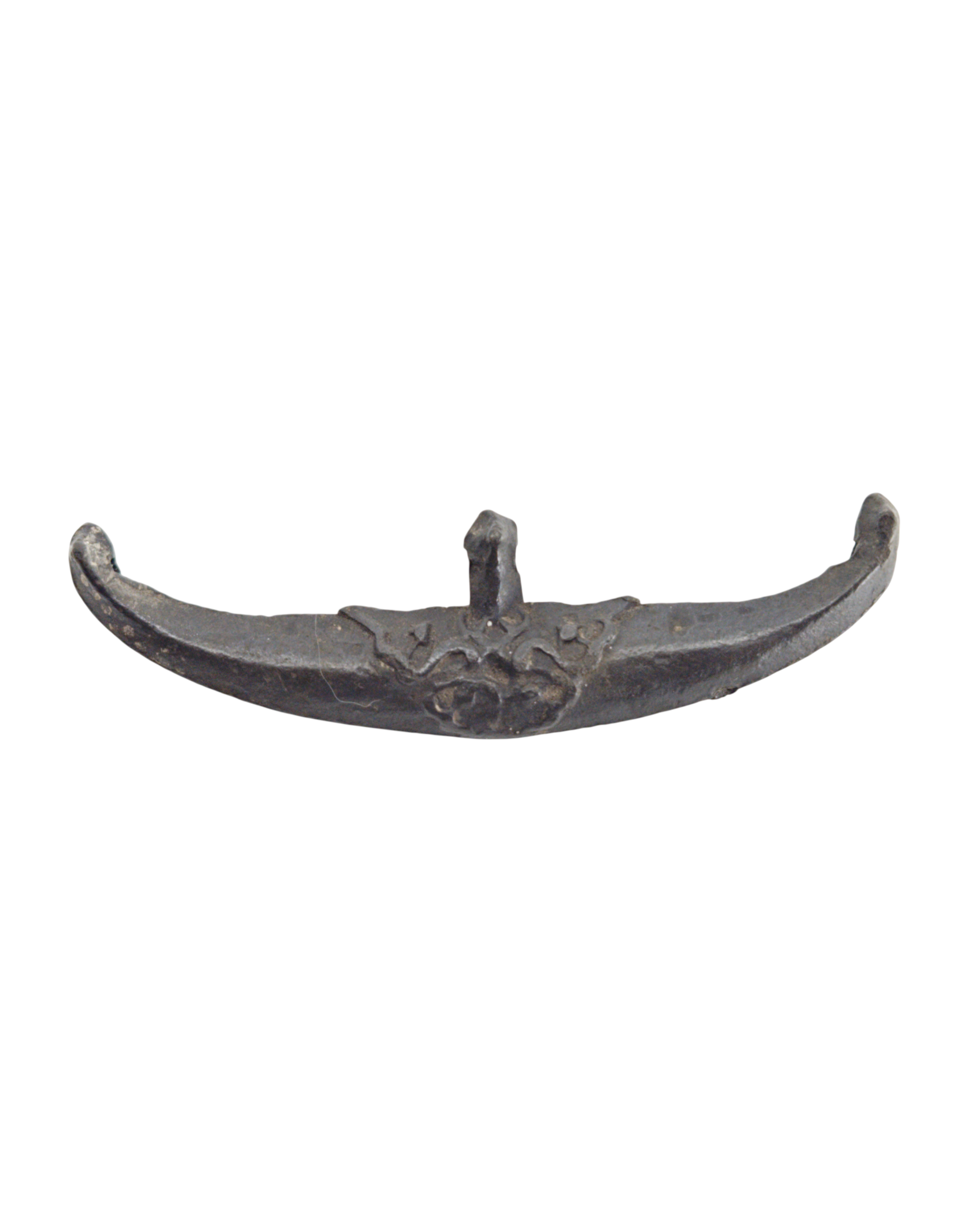
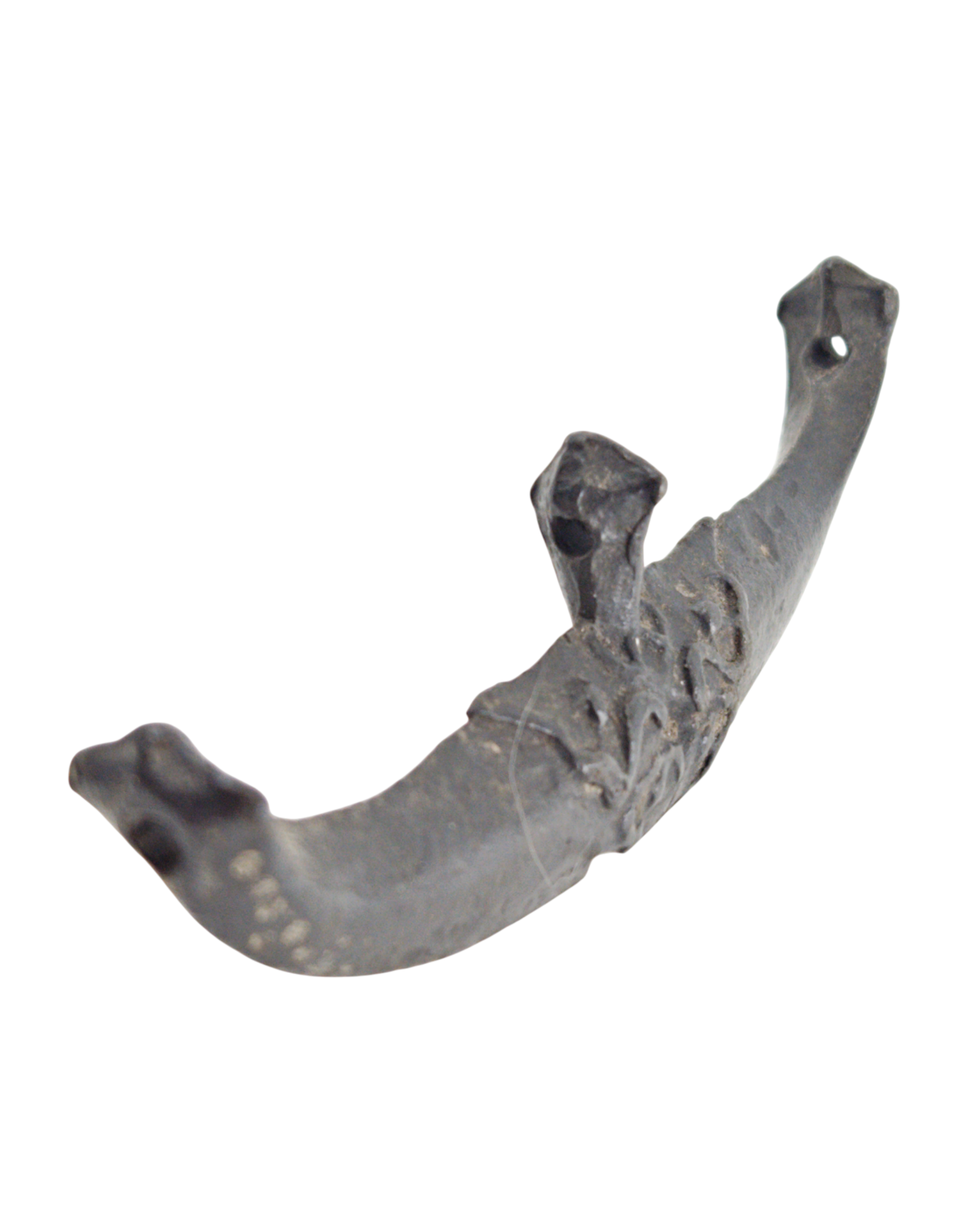
Southeast Asian highly decorative example "Boat Money" (Tampang)
a primitive currency from the Sumatra/Malay trade networks (c. 15th - 18th Century).
Historically recognized as a local evolution of the Larin or "fish-hook" currency, these boat-shaped ingots were used throughout the Indonesian archipelago and the Malay Peninsula as a recognized medium of exchange in the lucrative spice and textile trades.
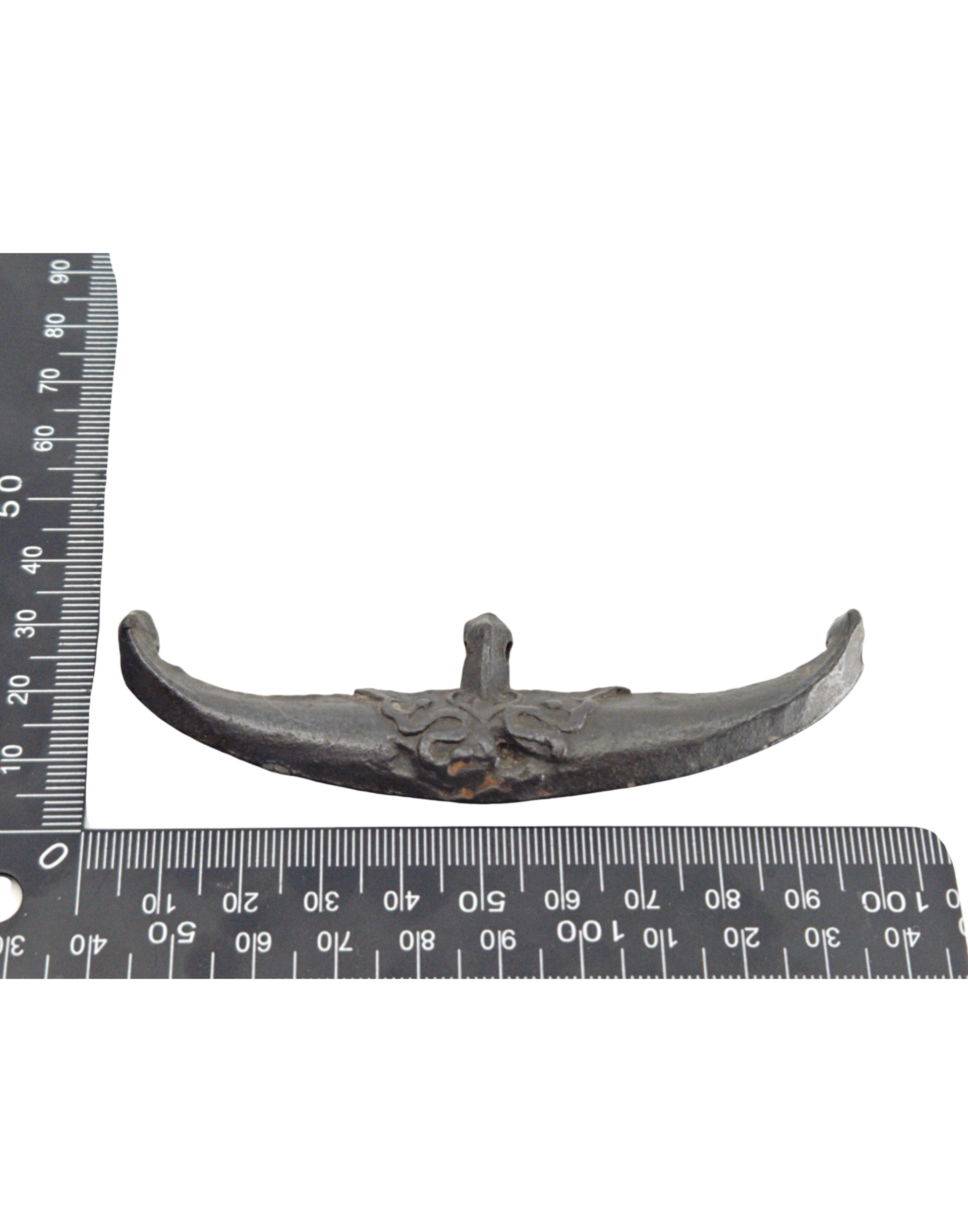
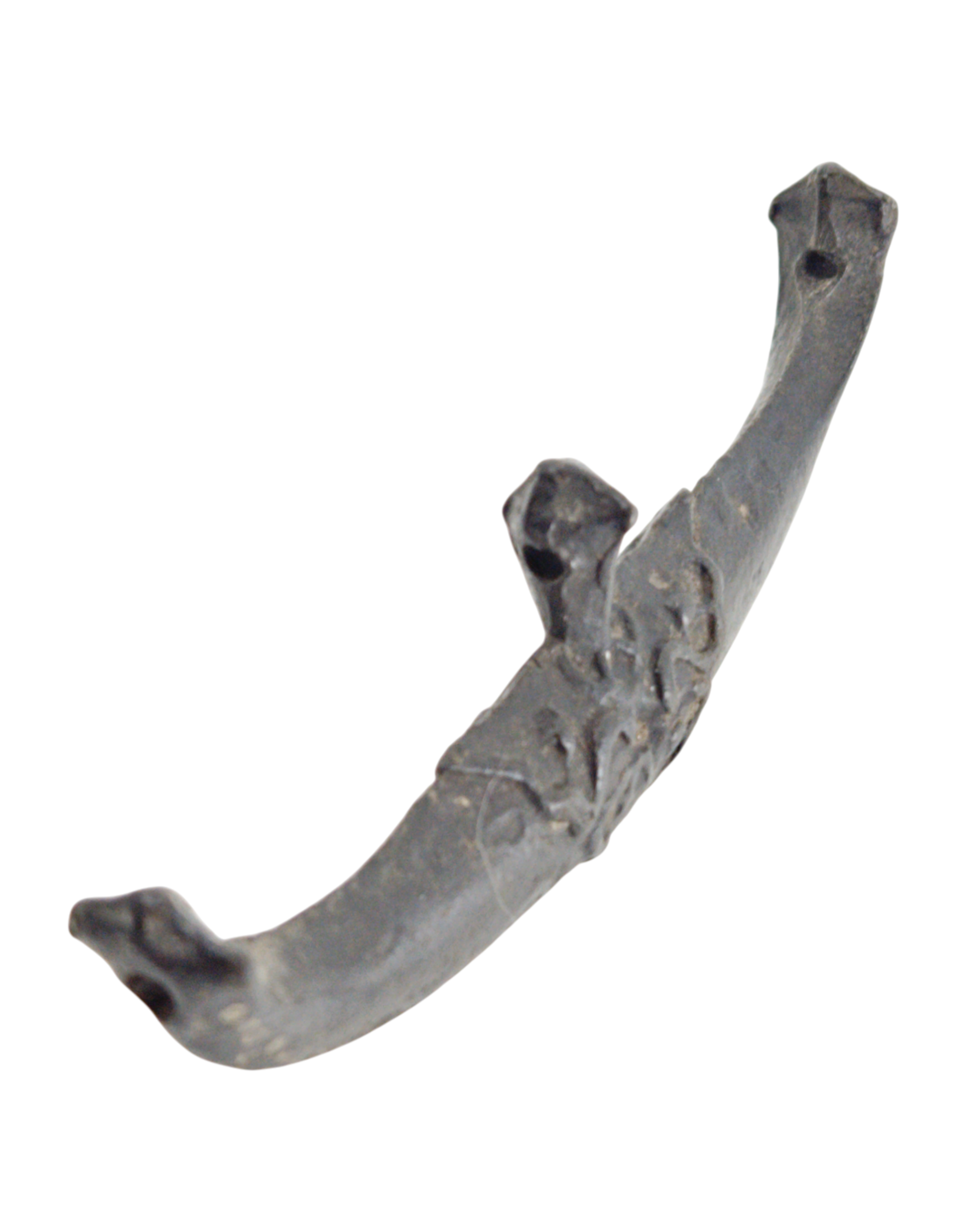
While standard "Boat Money" often appears as simple curved bars, this specimen features an unusually sophisticated design with three distinct vertical peaks and intricate relief work. These features may denote a specific regional mint or a higher denomination within the primitive currency system.
Scholars like Scott Semans have documented these fascinating objects as part of the transition from bullion to standardized coinage. Their weight and material (a solid lead/tin alloy) were key to their value in the bustling ports of Sumatra and the Straits of Malacca.
Unlike purely functional trade ingots, this piece is adorned with decorative scrolls and geometric patterns, suggesting it may have doubled as a prestigious gift or a ceremonial "prestige" currency used in high-level transactions or dowries.
Specifications
Origin: Sumatra / Java region.
Type: Primitive Currency / "Boat Money."
Material: Solid lead/tin alloy with a rich, dark patina.
Dimensions: 100 x 30 x 10 mm.
Weight: 52.0 grams.
Dimensions: diameter in mm: 99x28x10, weigth in gram: 52
Please take a good look at the photos, they are part of the description.
They provide a clear picture of the quality and condition of the product and
they fill in any gaps in the text or correct any errors and are decisive for the description of the product.