

A double-sided Majapahit Fish lead/tin alloy artifact from the Majapahit Empire, Java/Sumatra (13th - 16th Century), itemnumber: W5148
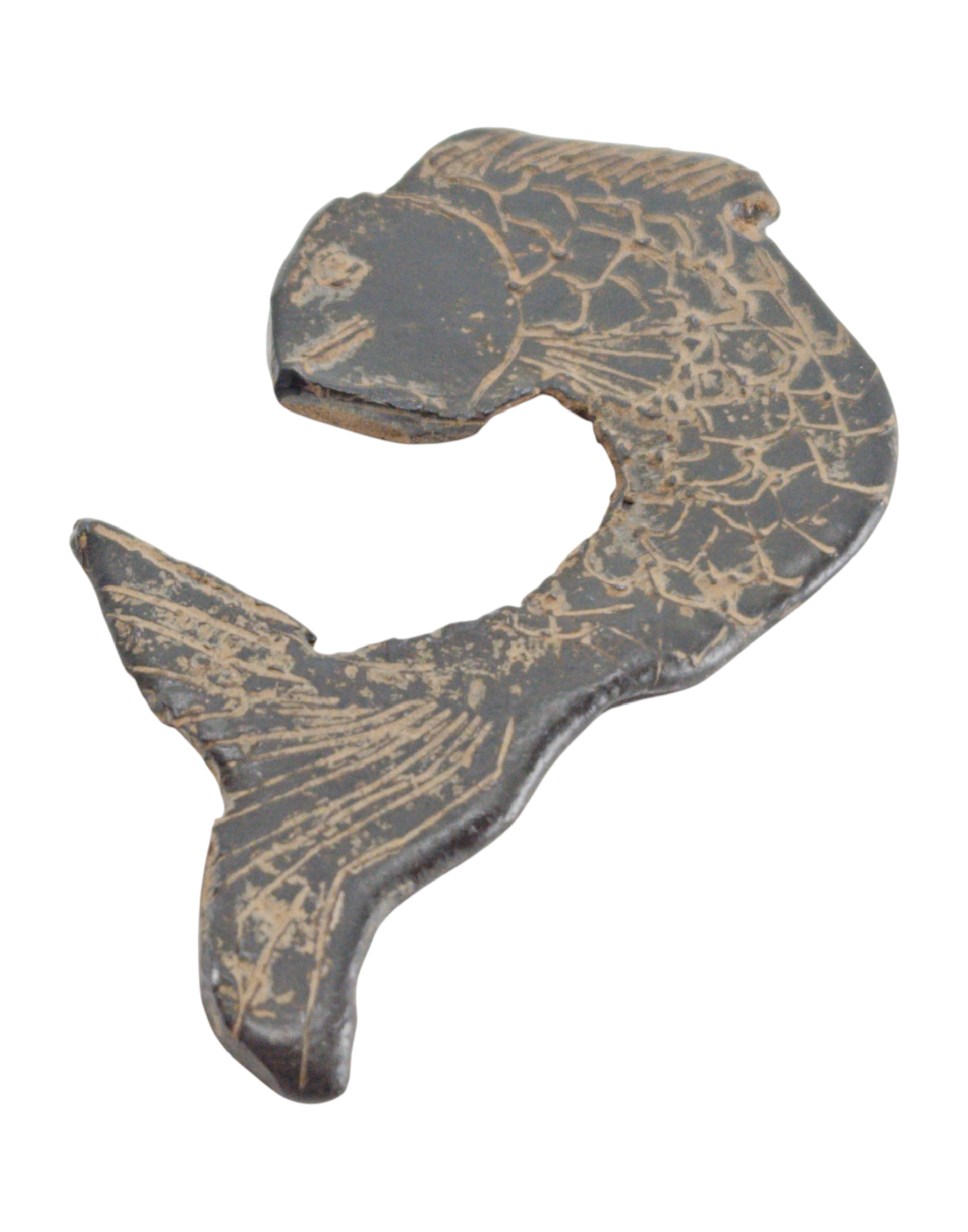
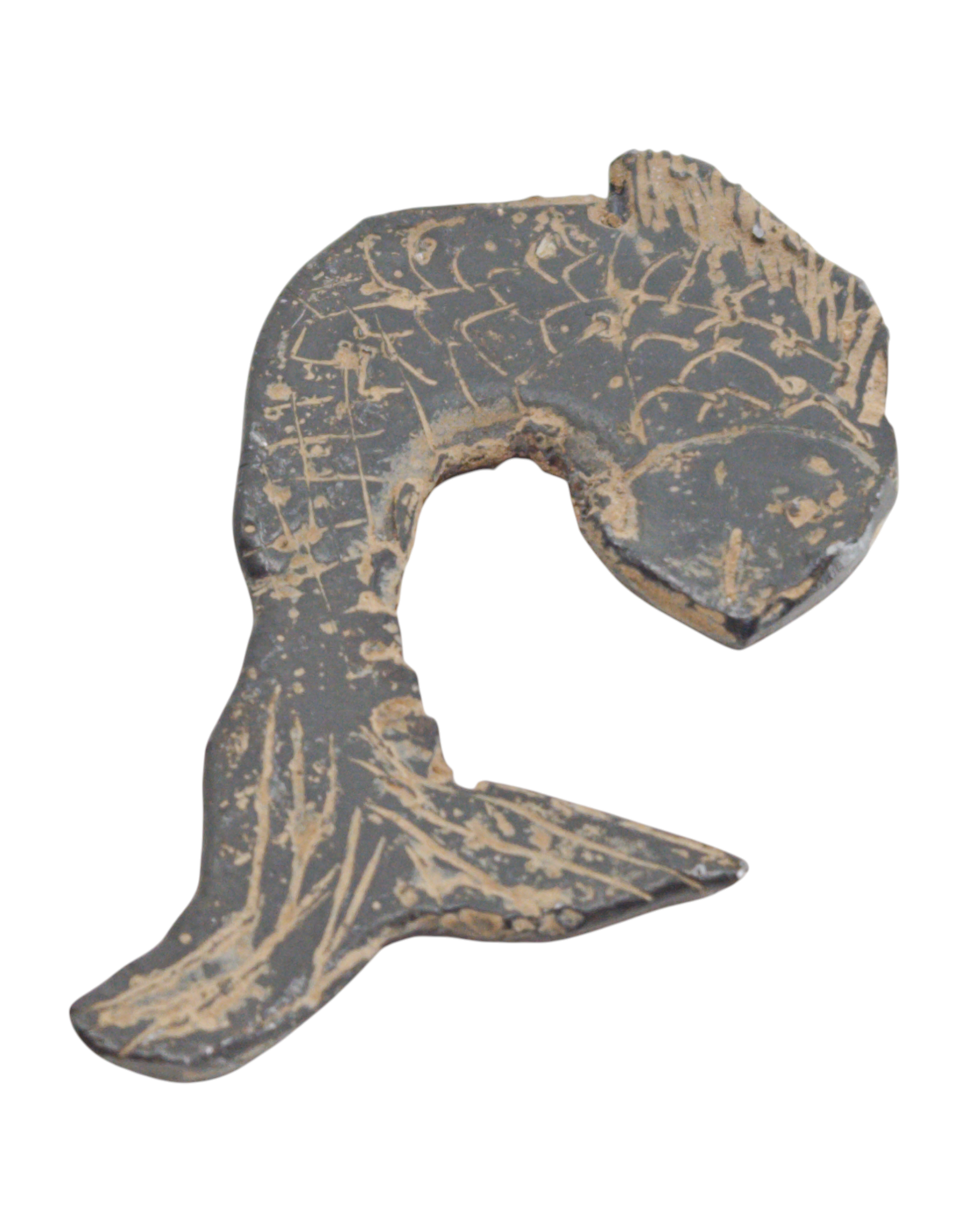
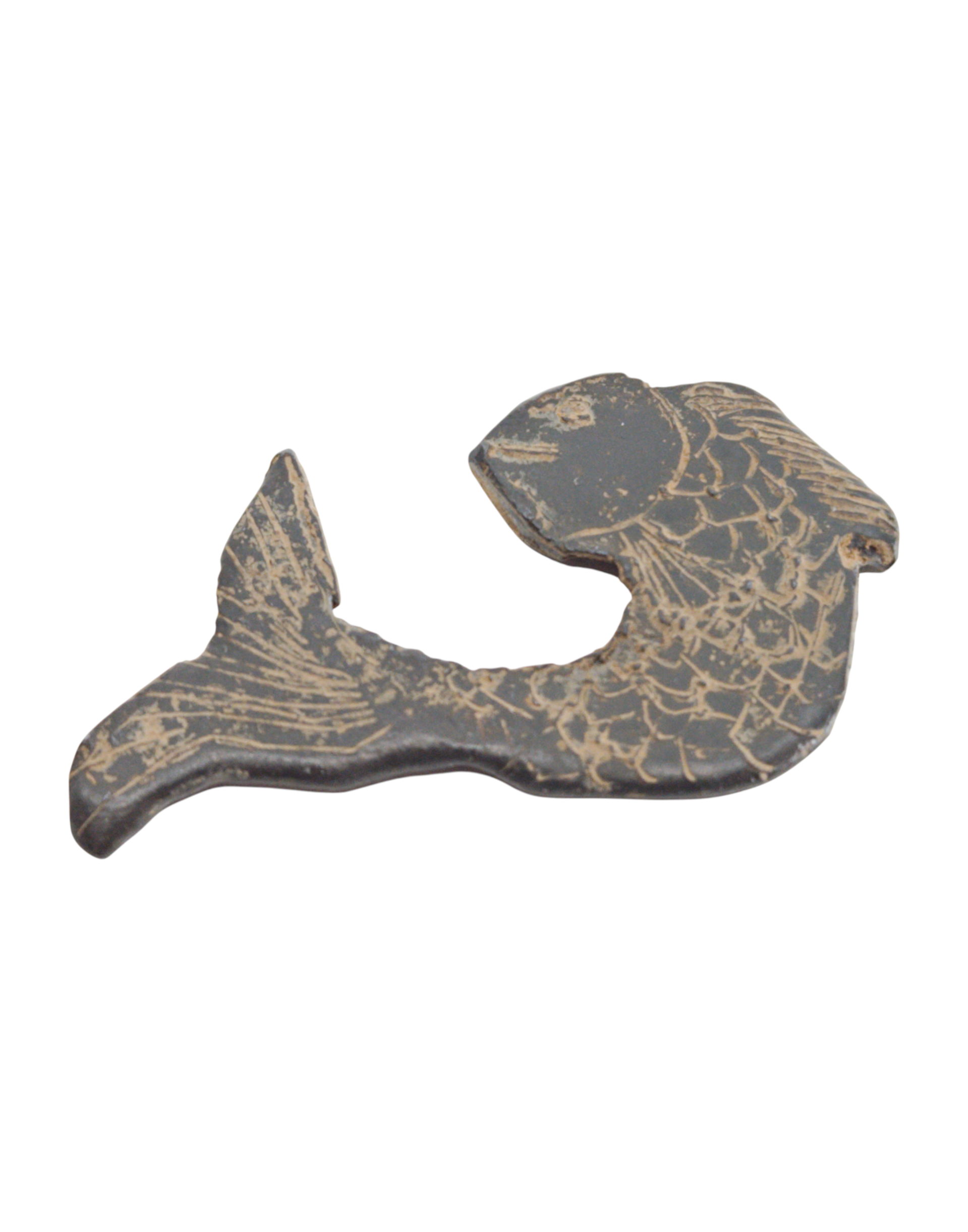
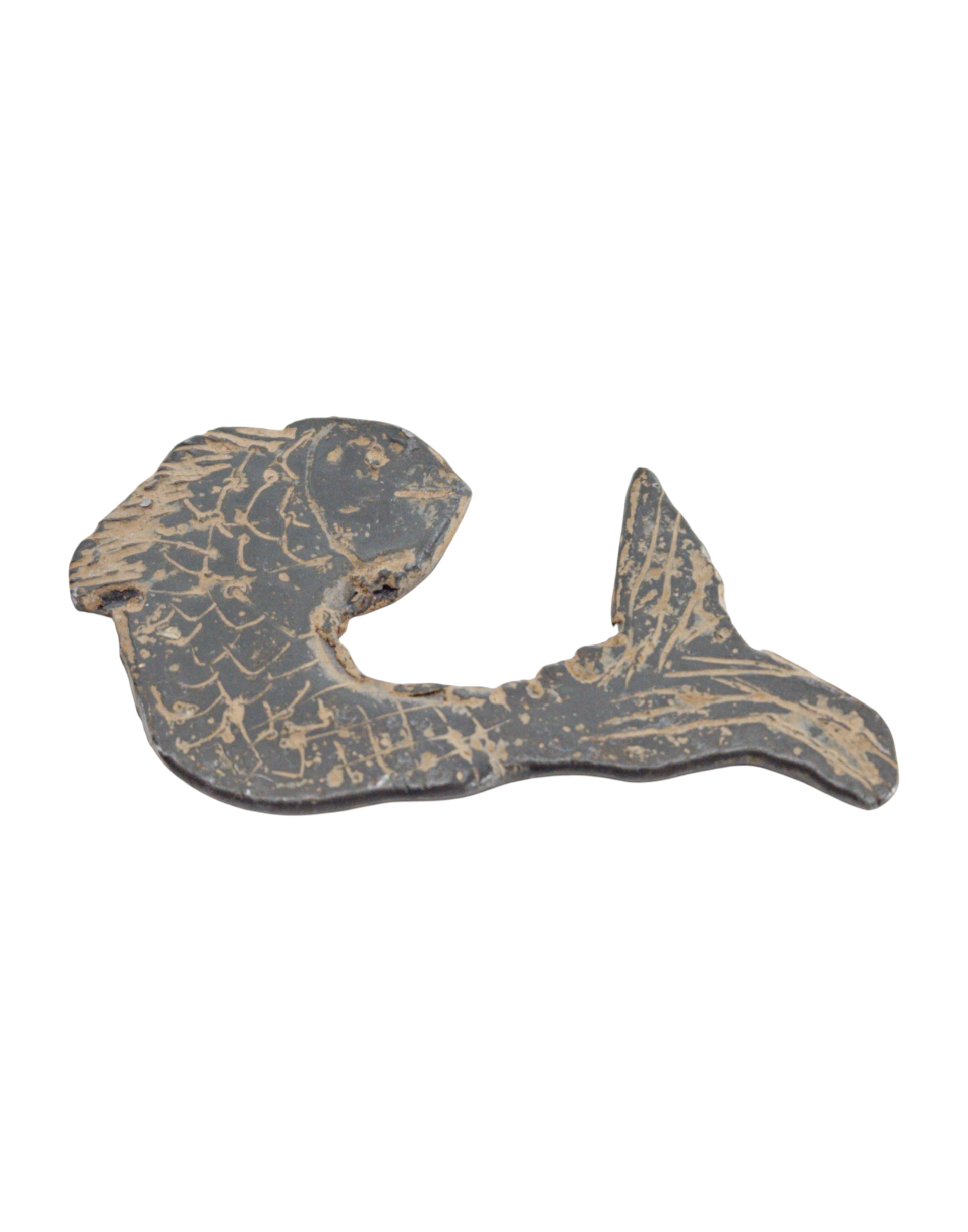
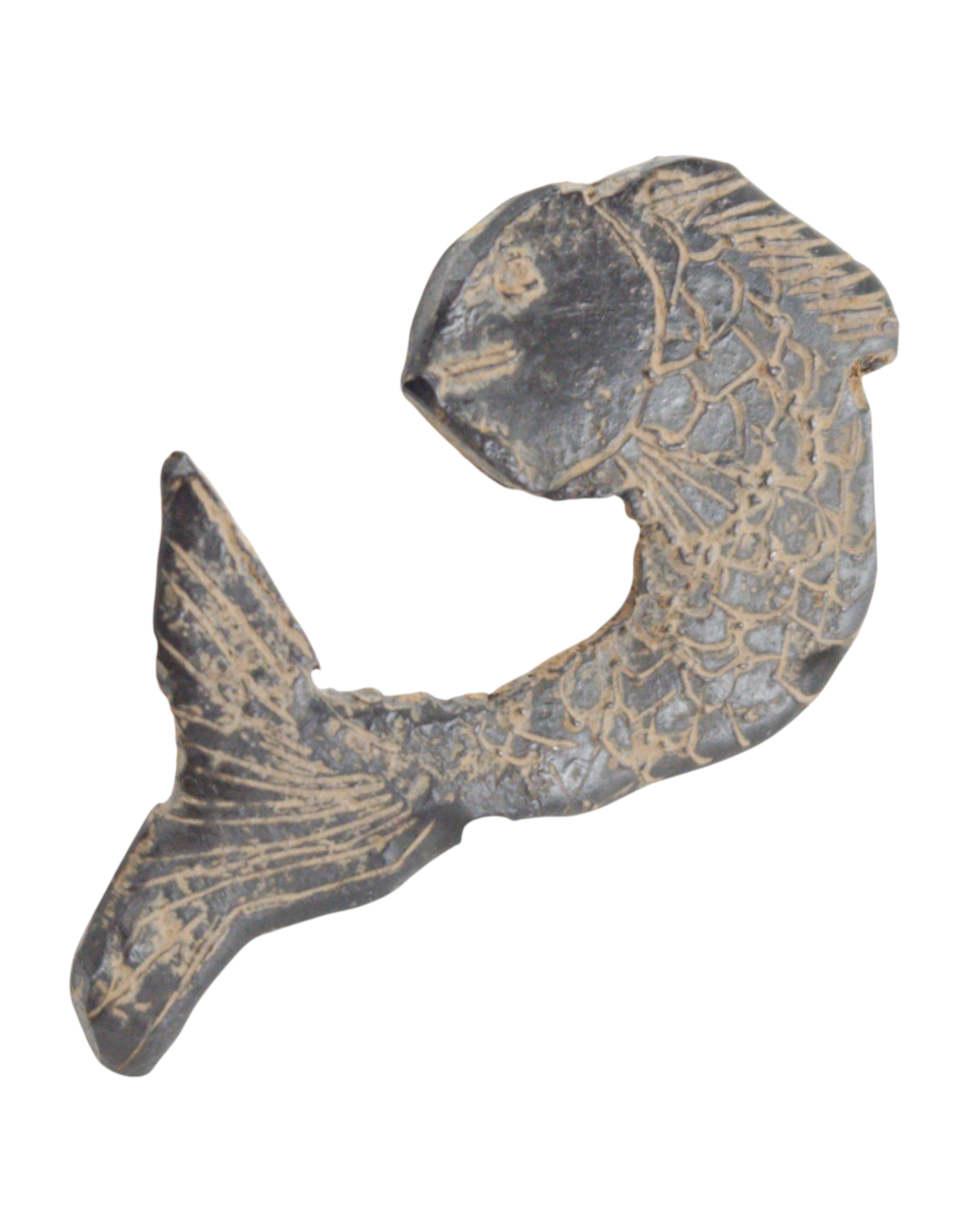
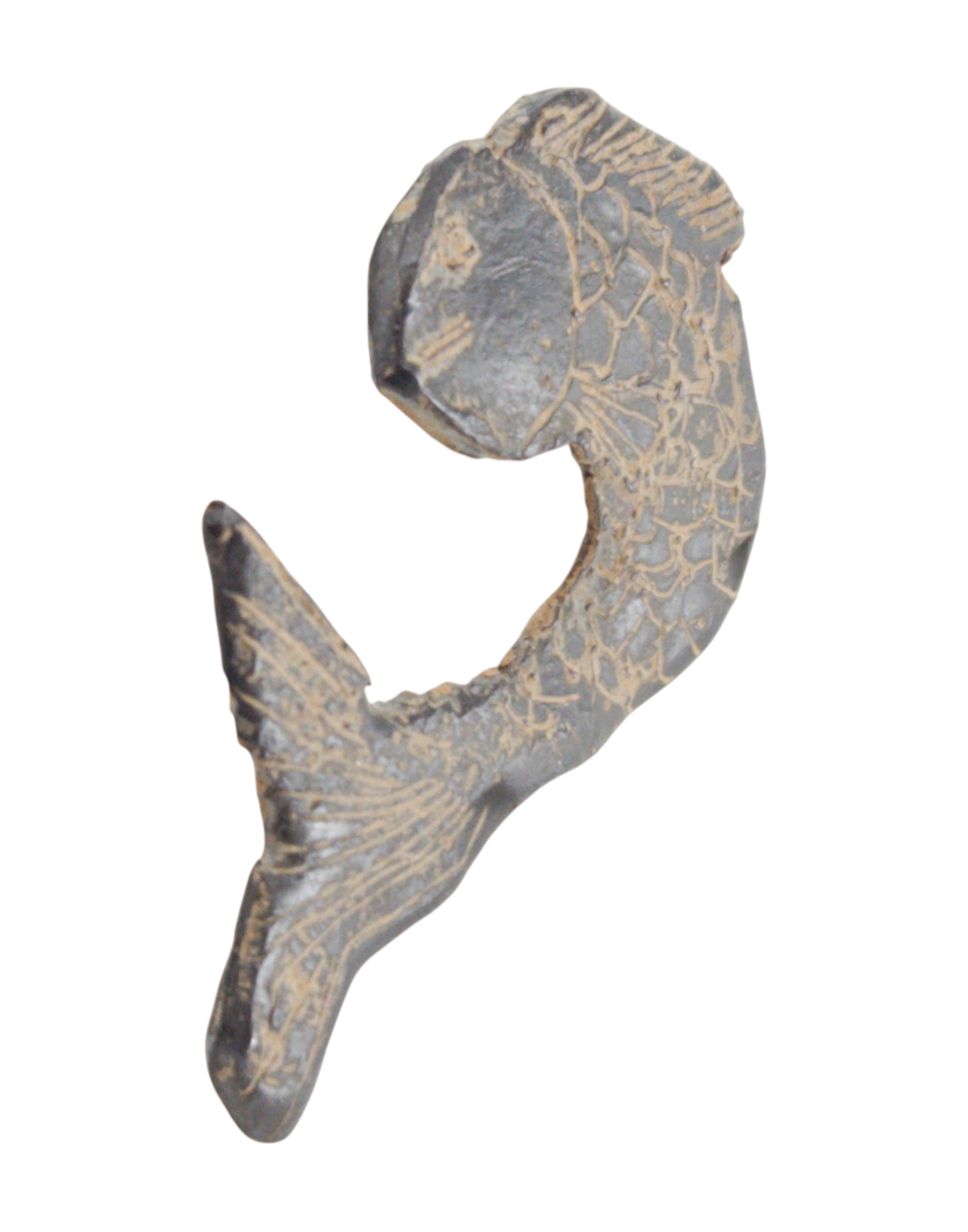
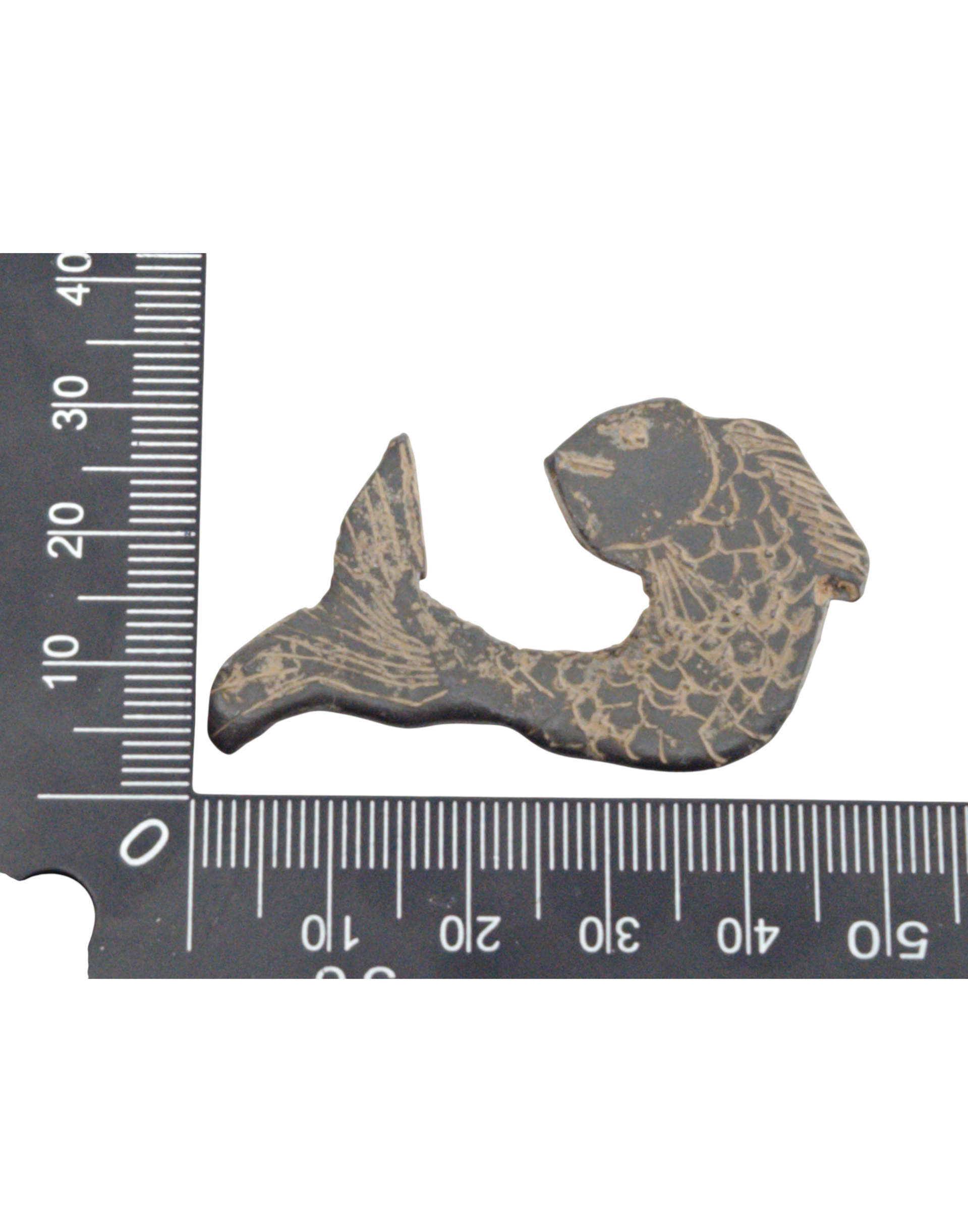
A double-sided Majapahit Fish lead/tin alloy artifact from the Majapahit Empire, Java/Sumatra (13th - 16th Century)
While most regional "fish money" or votive pieces are flat-backed, this specimen was designed to be admired from every angle, signifying its high status and ritual importance.
The amulet displays meticulously defined scales, fins, and a lively expression on both its obverse and reverse. This suggests it was created using a sophisticated two-part mold, a technique reserved for objects of significant spiritual or social value.
In the maritime Majapahit culture, the fish represented the abundance of the sea and the vital life force of water. A double-sided depiction like this likely served as a powerful talisman for protection, fertility, and endless good fortune.
The object carries a rich, dark archaeological patina, with the fine lines of the scales still remarkably crisp despite centuries of burial.
Specifications
Origin: Java / Sumatra region, Indonesia.
Period: Majapahit Empire era.
Material: Heavy tin/lead alloy.
Decoration: Fully detailed on both sides.
Dimensions: 48 x 33 x 3 mm.
Weight: 16.5 grams.
This double-sided amulet is a significant step above standard archaeological finds from the region—a true connoisseur's piece that tells a story of ancient Indonesian craftsmanship and faith.
Dimensions: diameter in mm: 46x29x3, weigth in gram: 16,5
Please take a good look at the photos, they are part of the description.
They provide a clear picture of the quality and condition of the product and
they fill in any gaps in the text or correct any errors and are decisive for the description of the product.