

A Lead Larin Imitation, Javanese "Tang" Coin, a fascinating piece of primitive currency from the Indonesia/Sumatra trade routes, possibly 17th - 18th Century., itemnumber: W5147
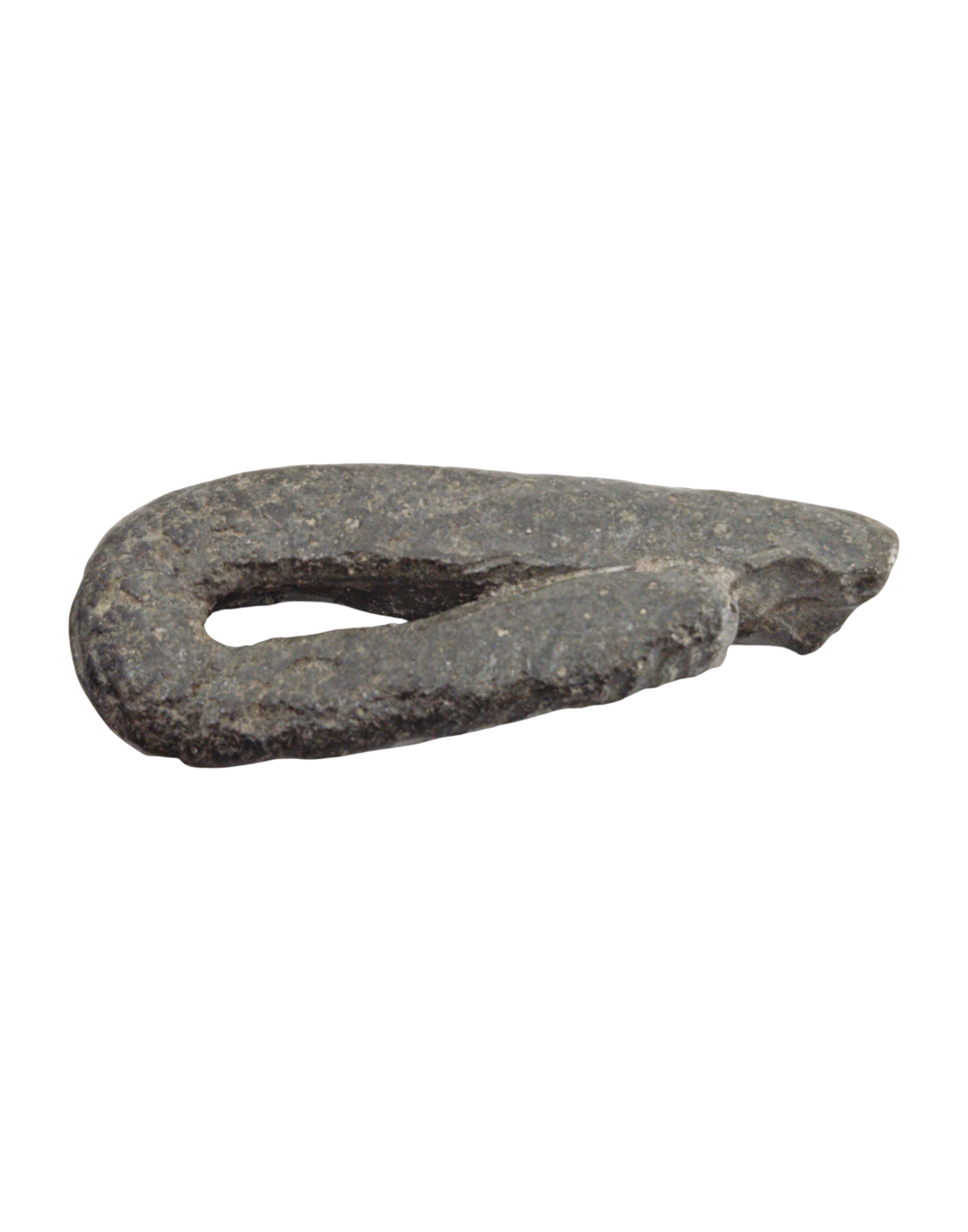
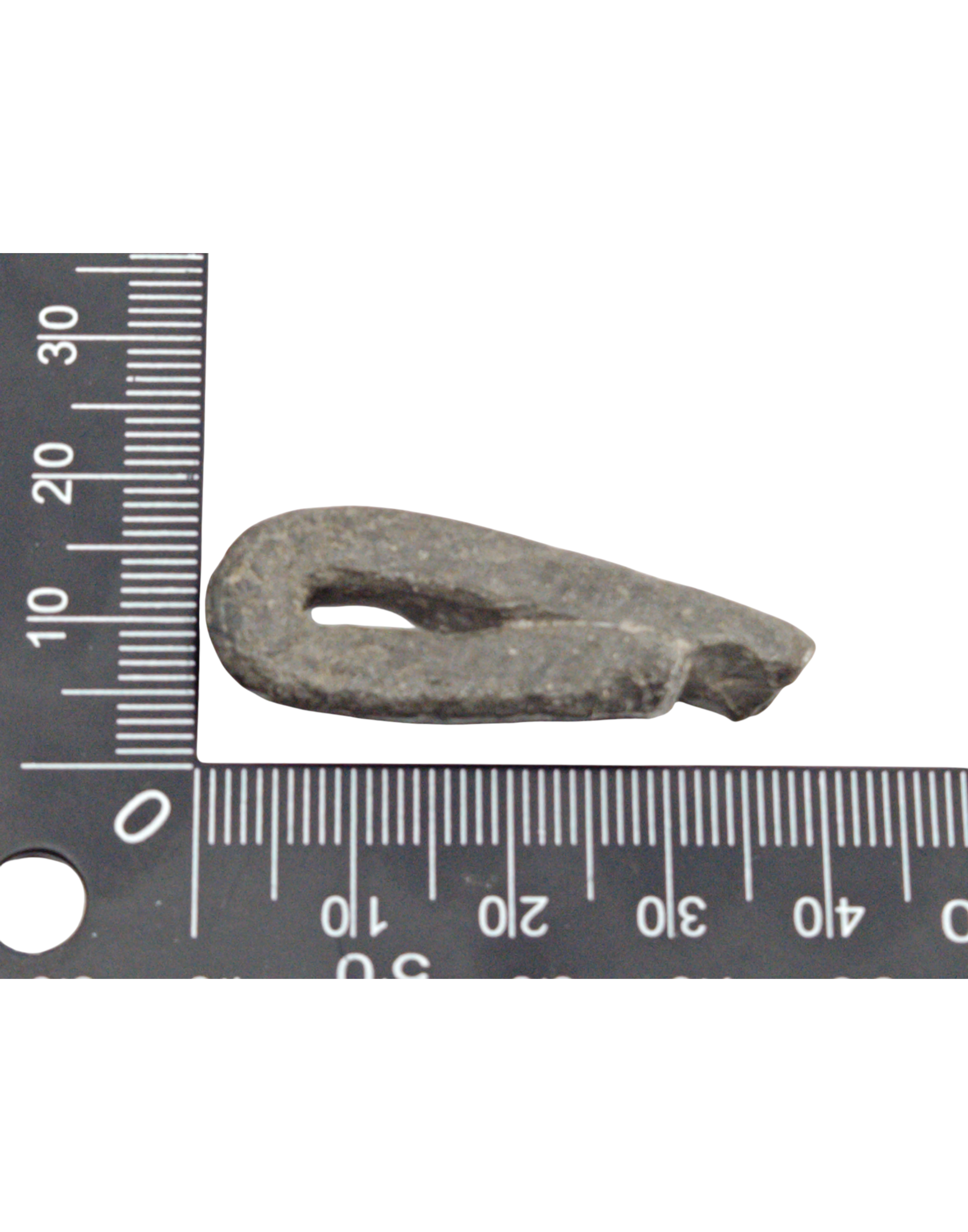
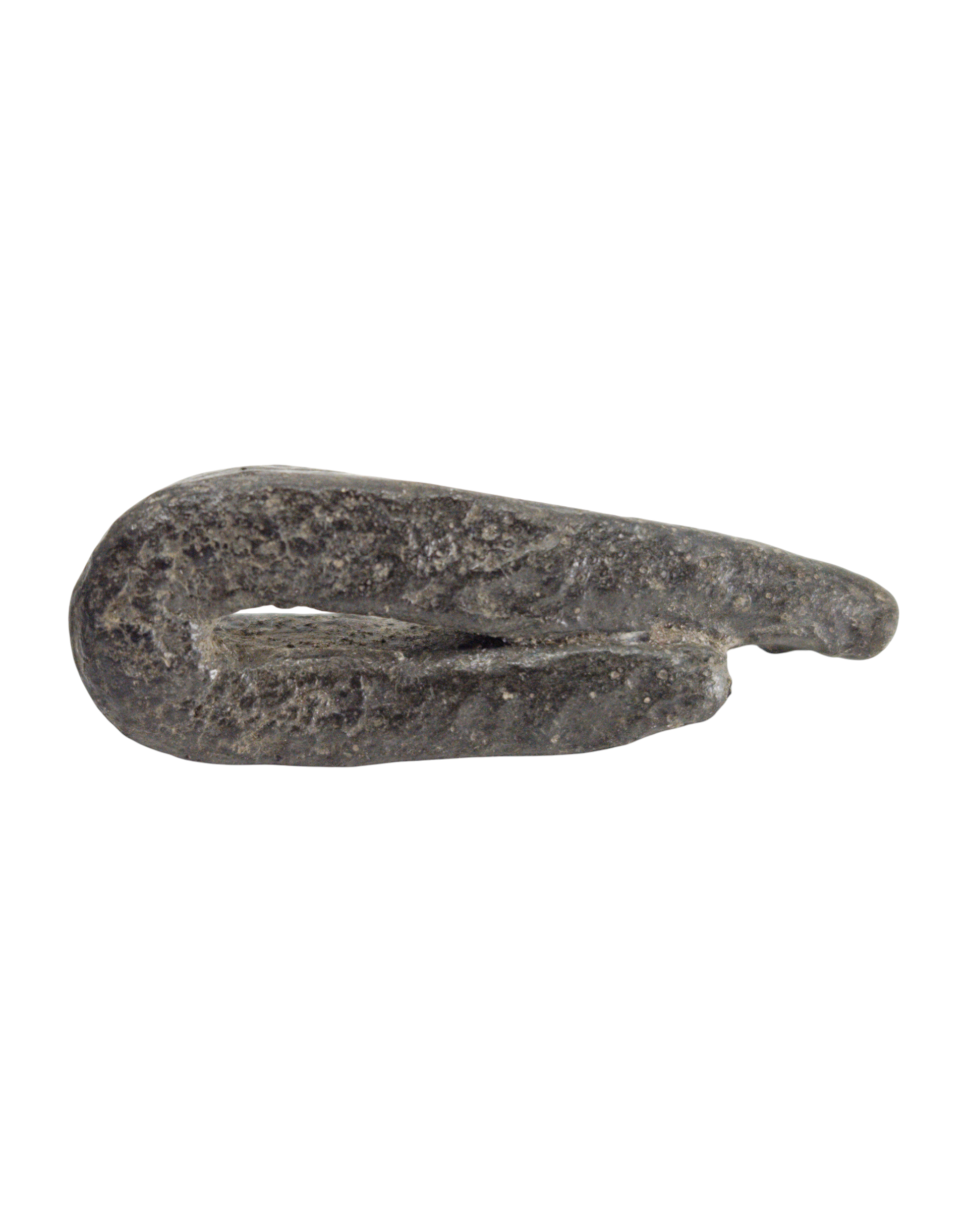
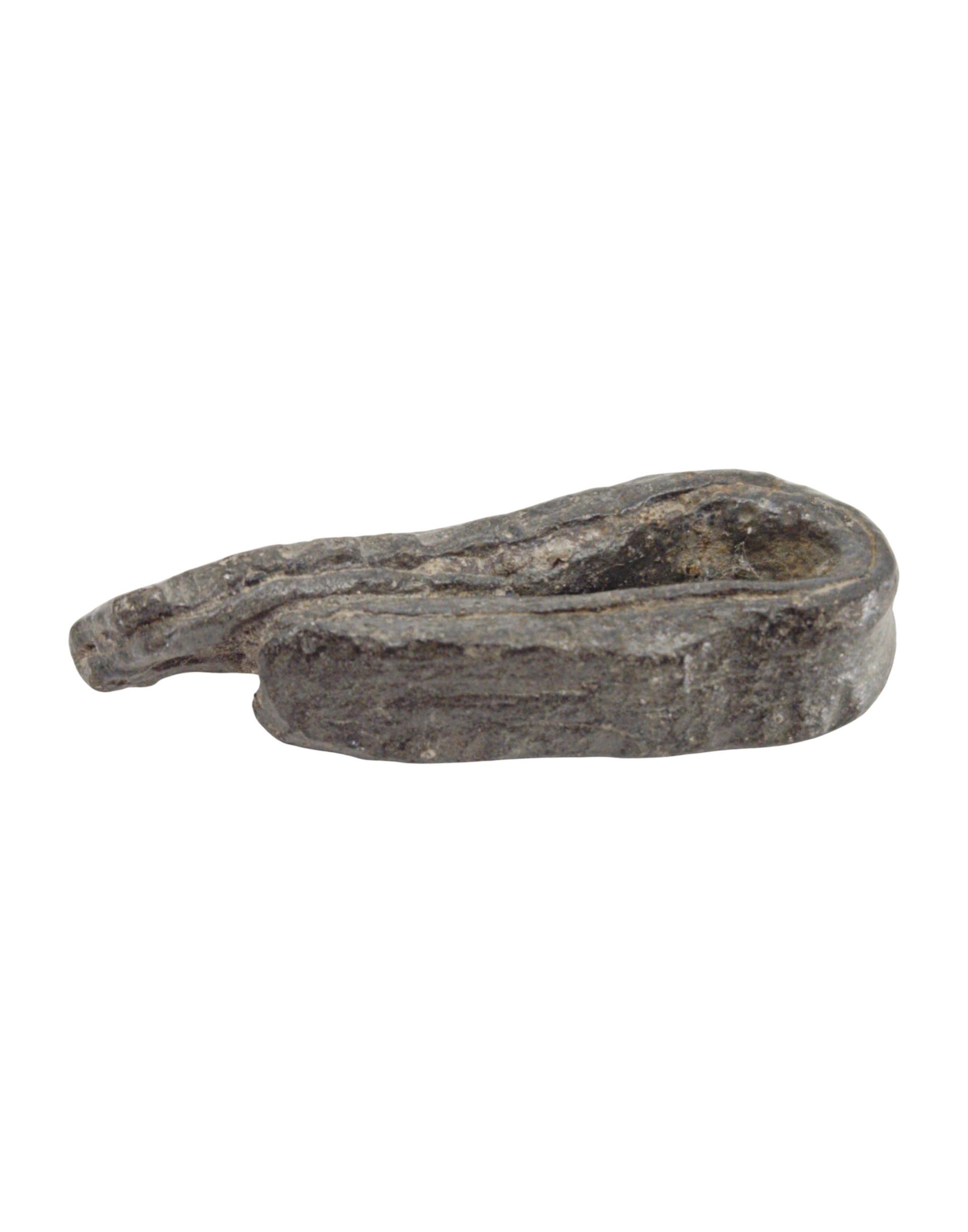
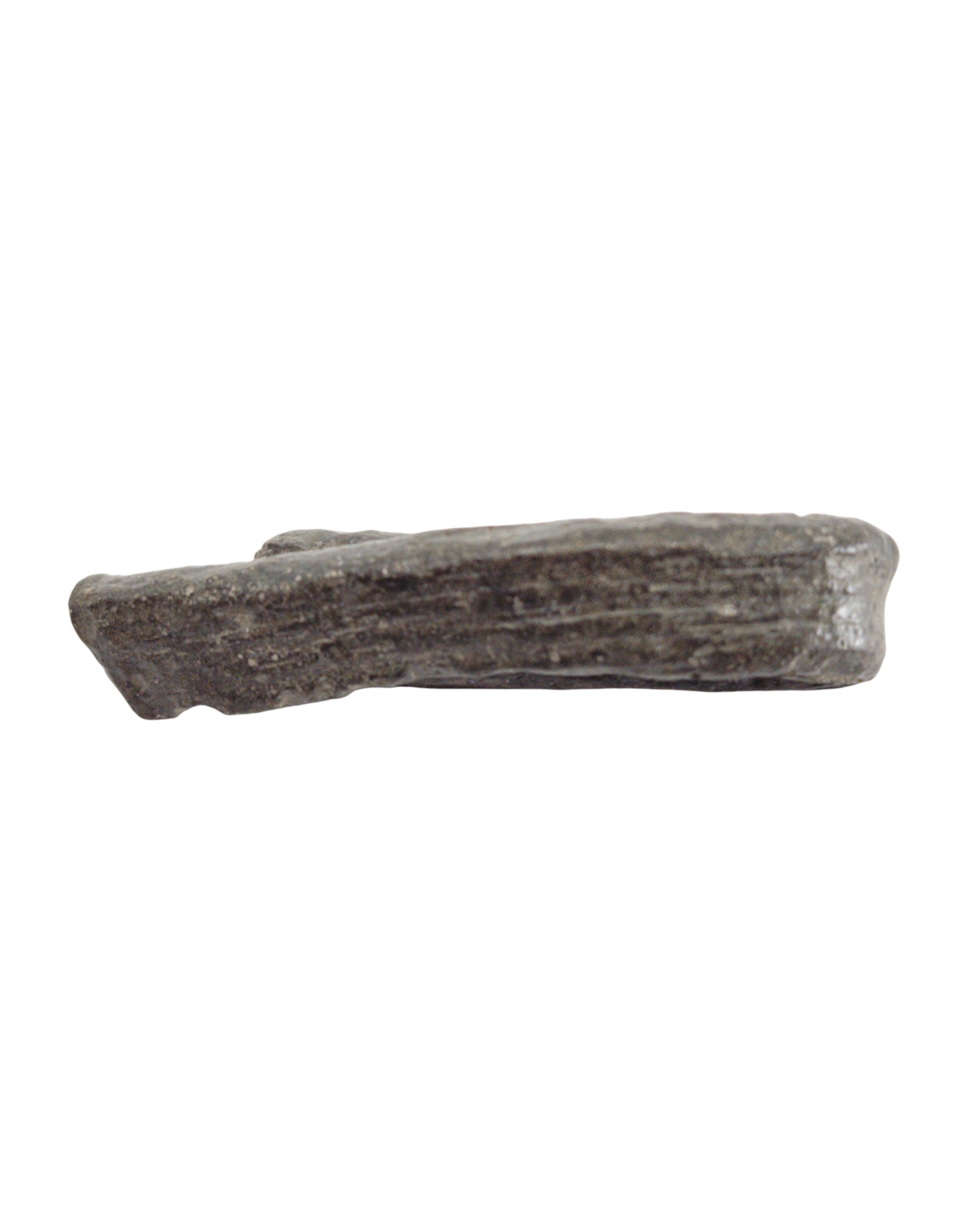
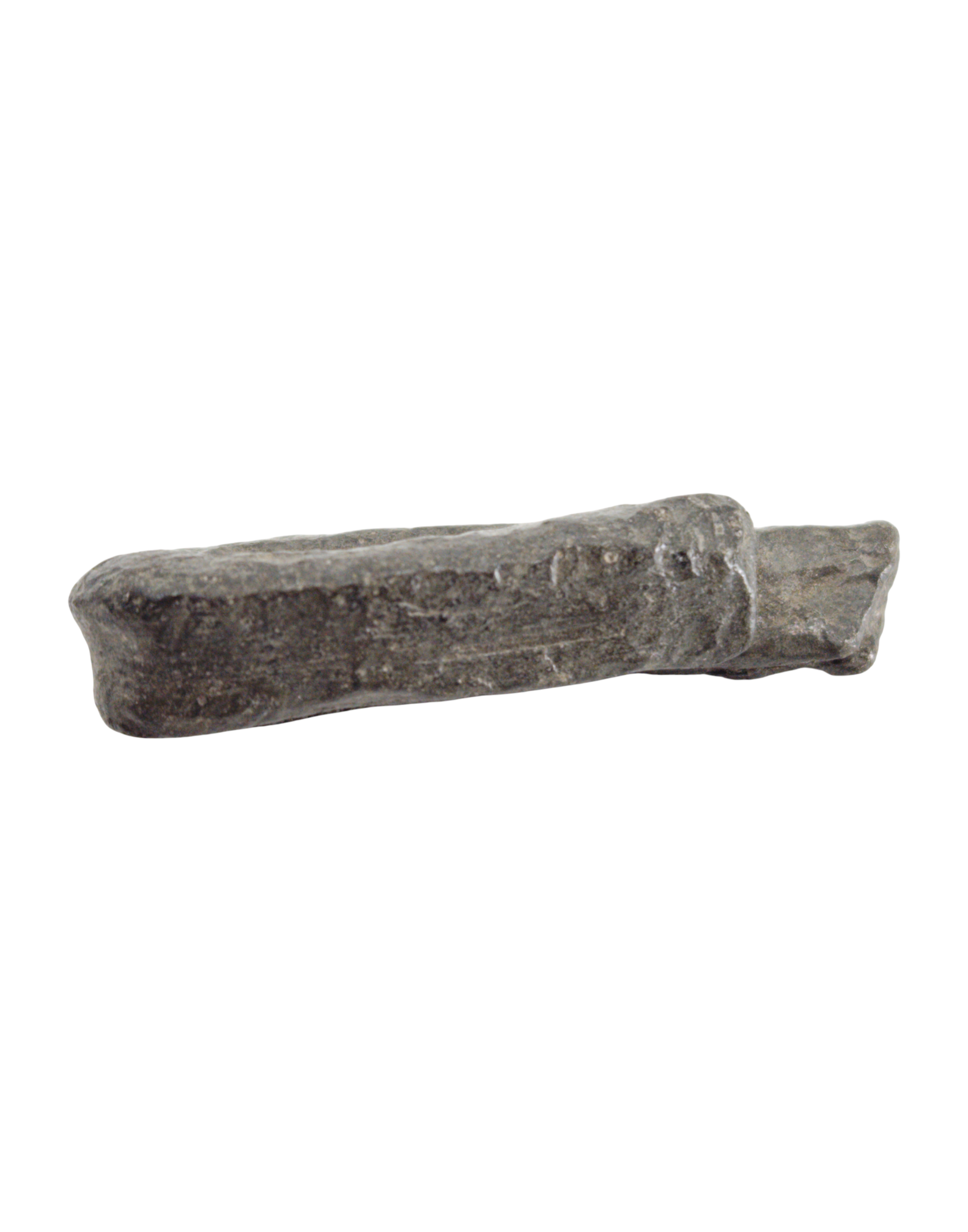
A Lead Larin Imitation, Javanese "Tang" Coin, a fascinating piece of primitive currency from the Indonesia/Sumatra trade routes, possibly 17th - 18th Century.
A relic of Southeast Asian maritime history with this solid lead "Tang" or "Larin" imitation. This artifact is a local interpretation of the famous "fish-hook" money that circulated throughout the Indian Ocean trade networks.
The Hook Shape originally originating in the Persian Gulf, the silver Larin (known locally as Tang) became a trusted currency among merchants. Its unique U-shape was designed so it could be easily tucked into a belt or sarong.
Local Adaptation: This lead version is a classic example of a "local imitation." In the bustling markets of Java and Sumatra, indigenous smiths would cast these hooks in lead or tin to serve as domestic currency or ceremonial trade tokens, mimicking the high-value silver Larins brought by foreign traders.
Cast in heavy lead with a dense, archaeological patina. The folded geometry is still clearly visible, showcasing the ancient technique of doubling over a cast bar to create the iconic "Tang" form.
Specifications
Region: Java / Sumatra region.
Type: Primitive Currency / Larin (Tang) Imitation.
Material: Solid lead alloy.
Dimensions: 40 x 15 x 8 mm.
Weight: 13.3 grams.
A rare and tactile addition for collectors of numismatics, primitive money, and the complex trade history of the VOC era.
Dimensions: diameter in mm: 38,6x14,6x8, weigth in gram: 13,31
Please take a good look at the photos, they are part of the description.
They provide a clear picture of the quality and condition of the product and
they fill in any gaps in the text or correct any errors and are decisive for the description of the product.