

Rare South East Asian Tin "Tiger Claw" Barter Money (Kuku Macan) 16th and 19th centuries, itemnumber: W5144
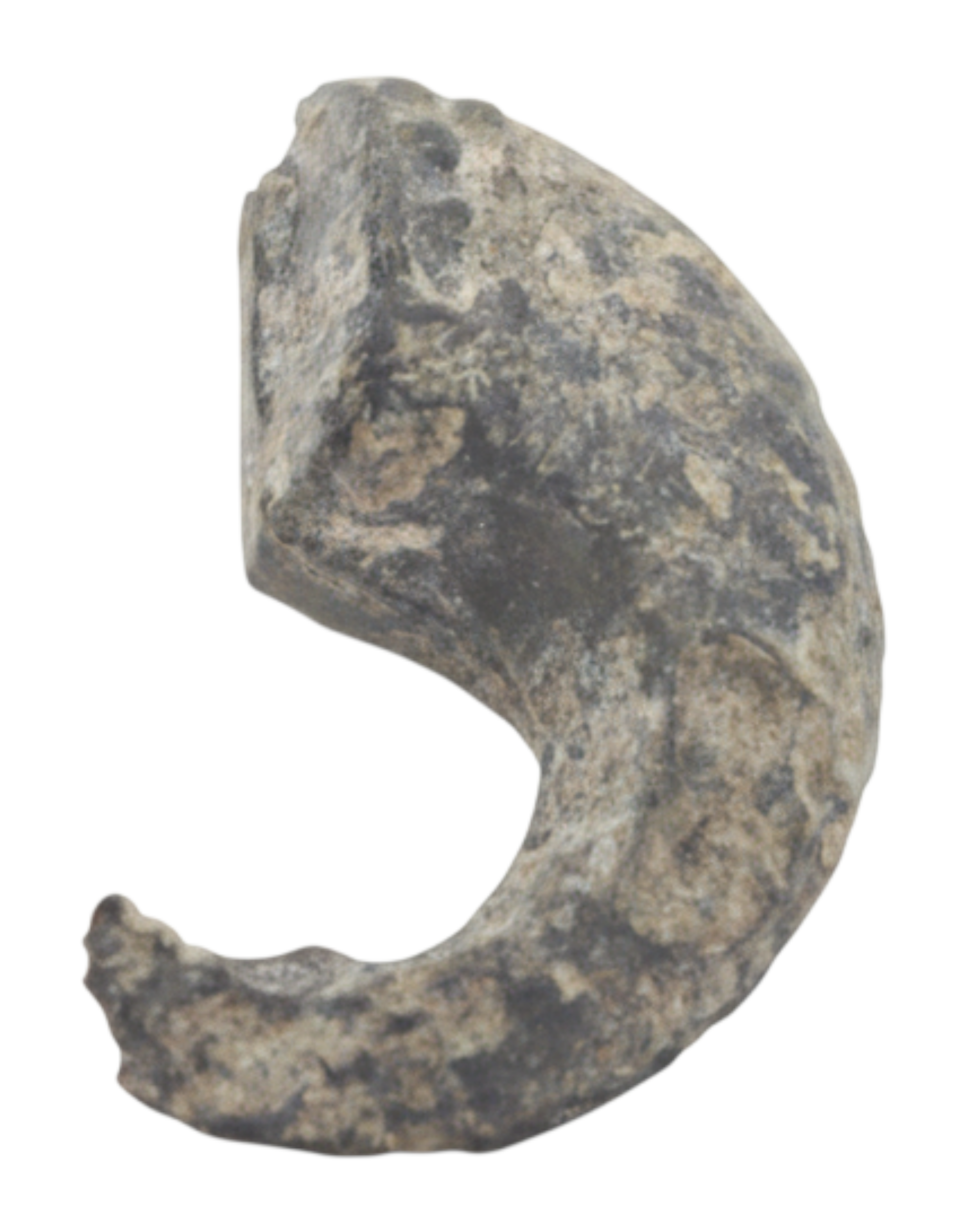
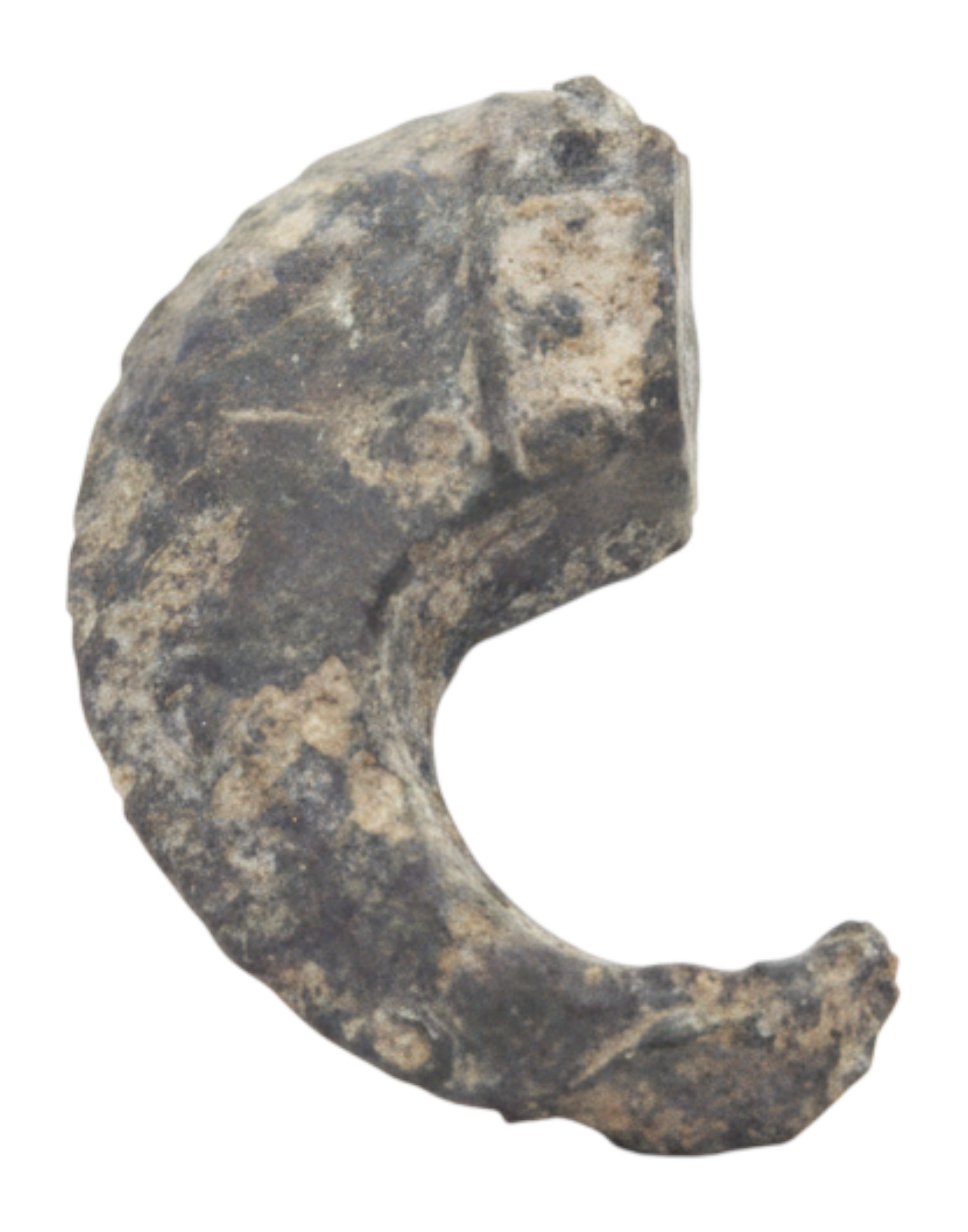
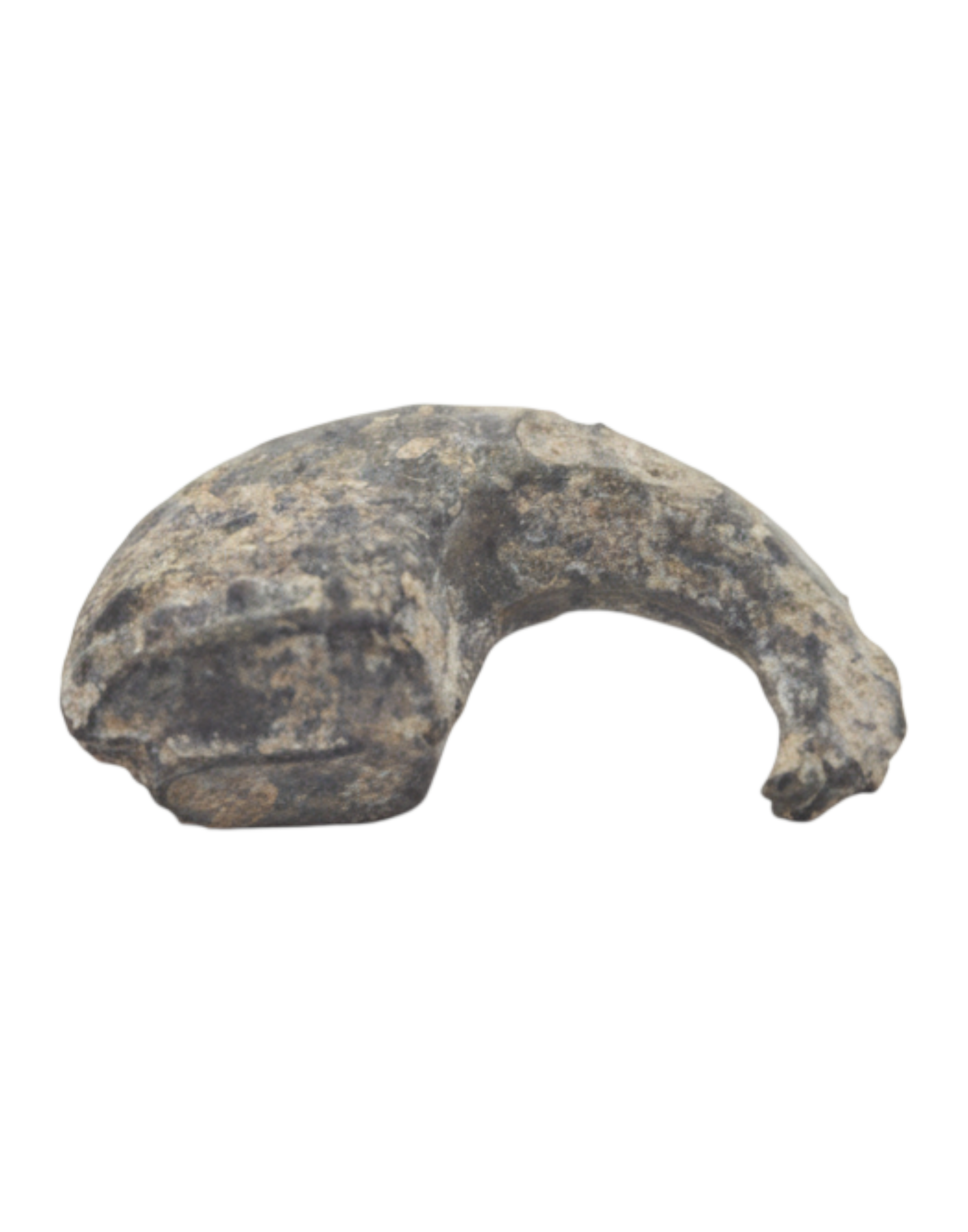
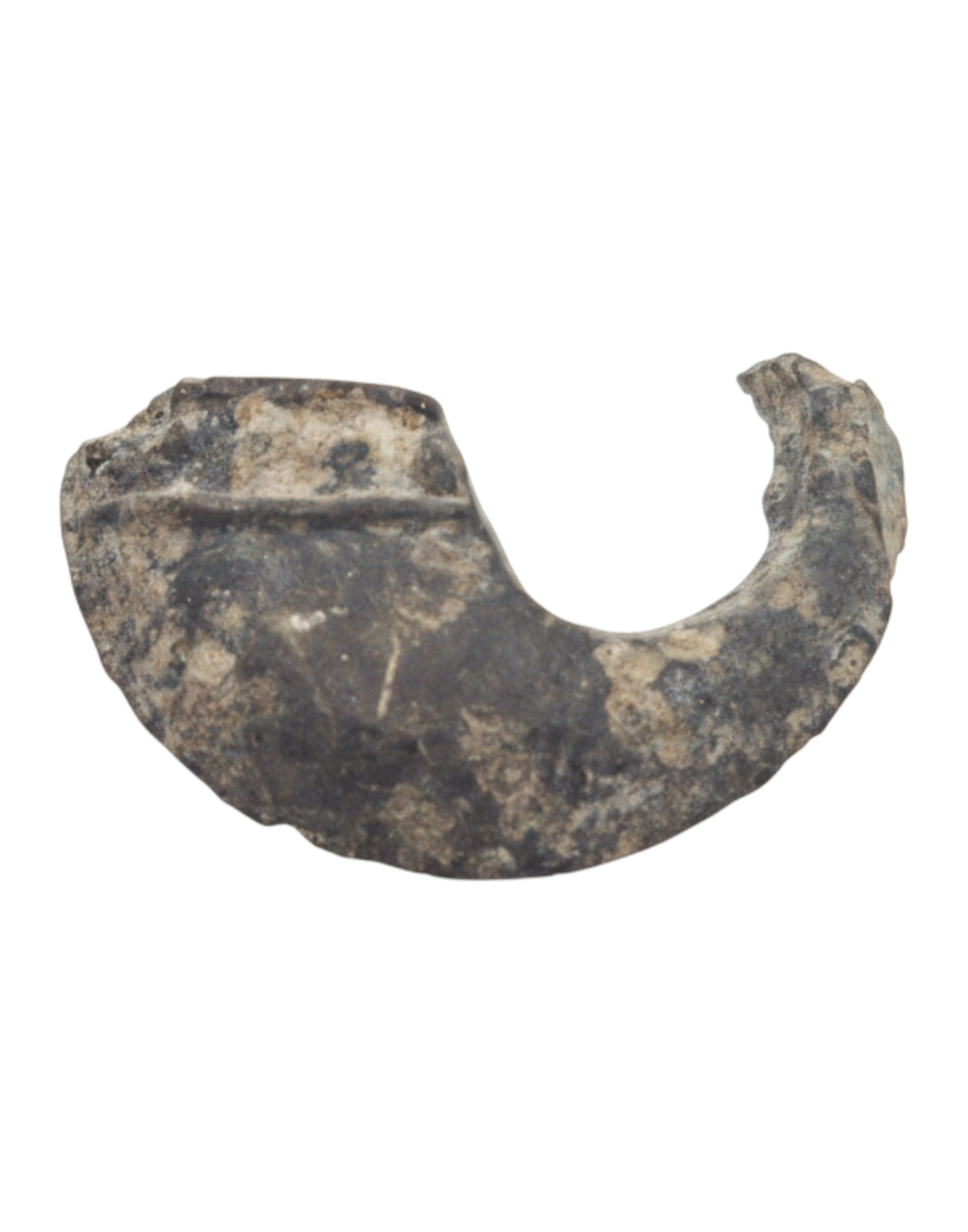
This authentic piece of "Kuku Macan" or Tiger Claw barter money, a fascinating example of ethnographic currency used in the Indonesian archipelago, specifically in the regions of Sumatra and Java.
Cast from tin, this object served as a standardized medium of exchange in local markets between the 16th and 19th centuries, particularly in the Palembang region. The tiger claw shape was chosen not only for its recognizable form but also for its symbolic connection to power and protection, often doubling as a talismanic amulet.
Specifications:
Material: Authentic Tin (with natural aged patina)
Origin: Java / Sumatra (Indonesia)
Shape: Traditional Tiger Claw (Kuku Macan)
Weight: 4,8 Grams
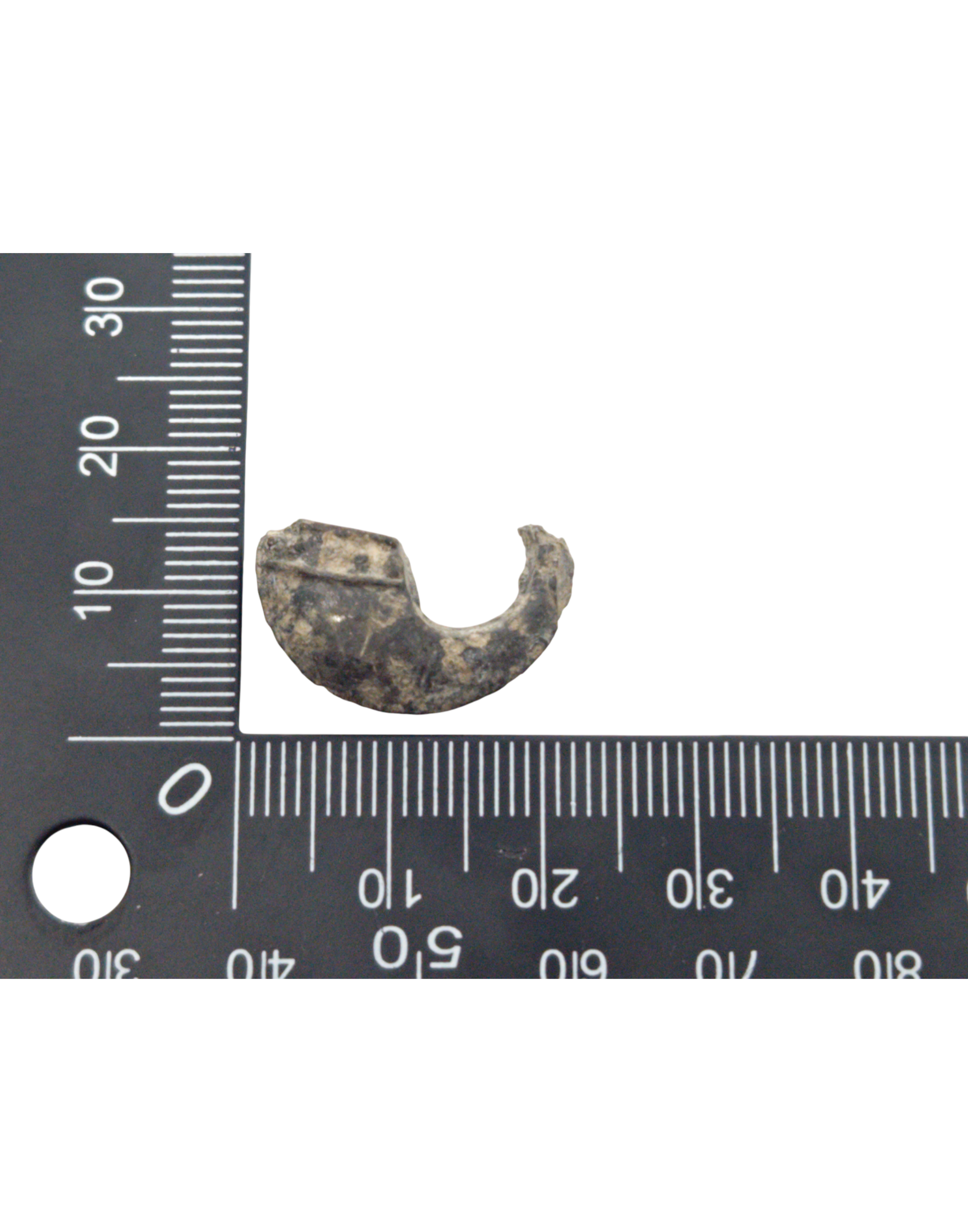
Dimensions: 21 x 13 x 8 mm
Condition: Excellent archaeological state with characteristic oxidation, proving its age and authenticity.
In a period where official coinage was scarce, local kingdoms utilized the abundant tin resources (from islands like Bangka) to create barter currency. This piece is a must-have for collectors of primitive money, South East Asian history, or unique numismatic artifacts.
Please take a good look at the photos, they are part of the description.
They provide a clear picture of the quality and condition of the product and
they fill in any gaps in the text or correct any errors and are decisive for the description of the product.