

Rare Majapahit lead votive artifact/trade weight: 'The Double-Sided Tree of Life' (13th - 16th Century)., itemnumber: W5143
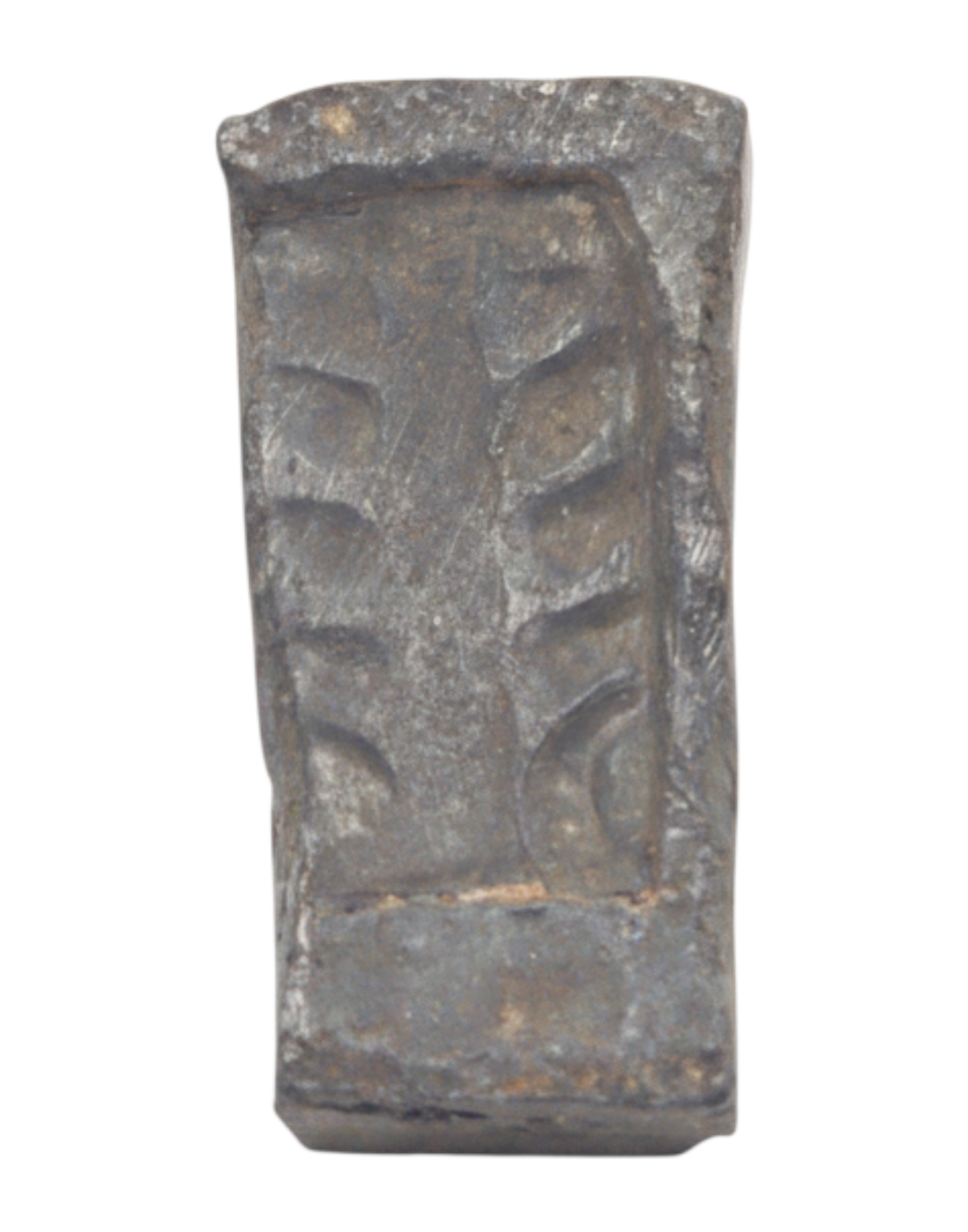
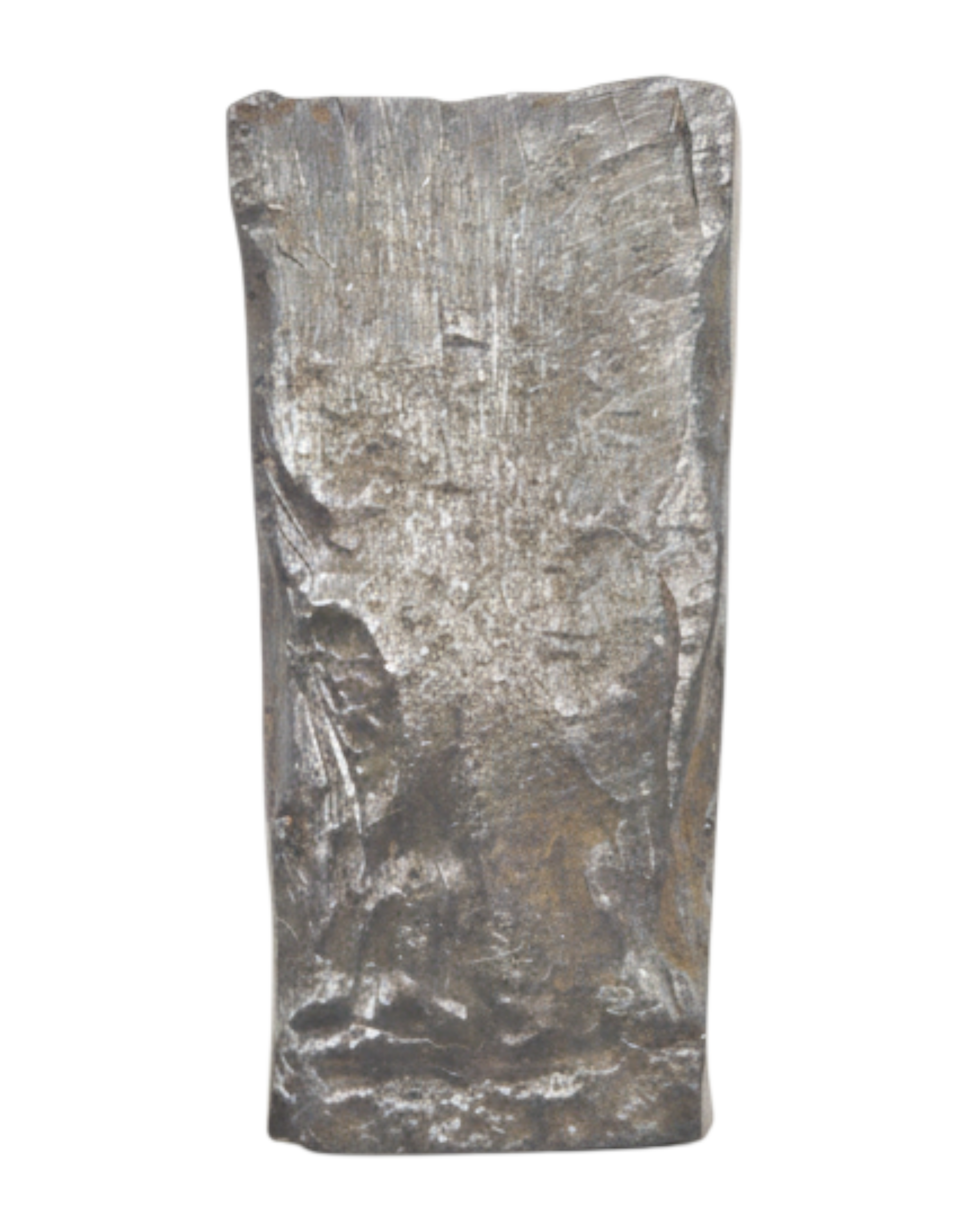
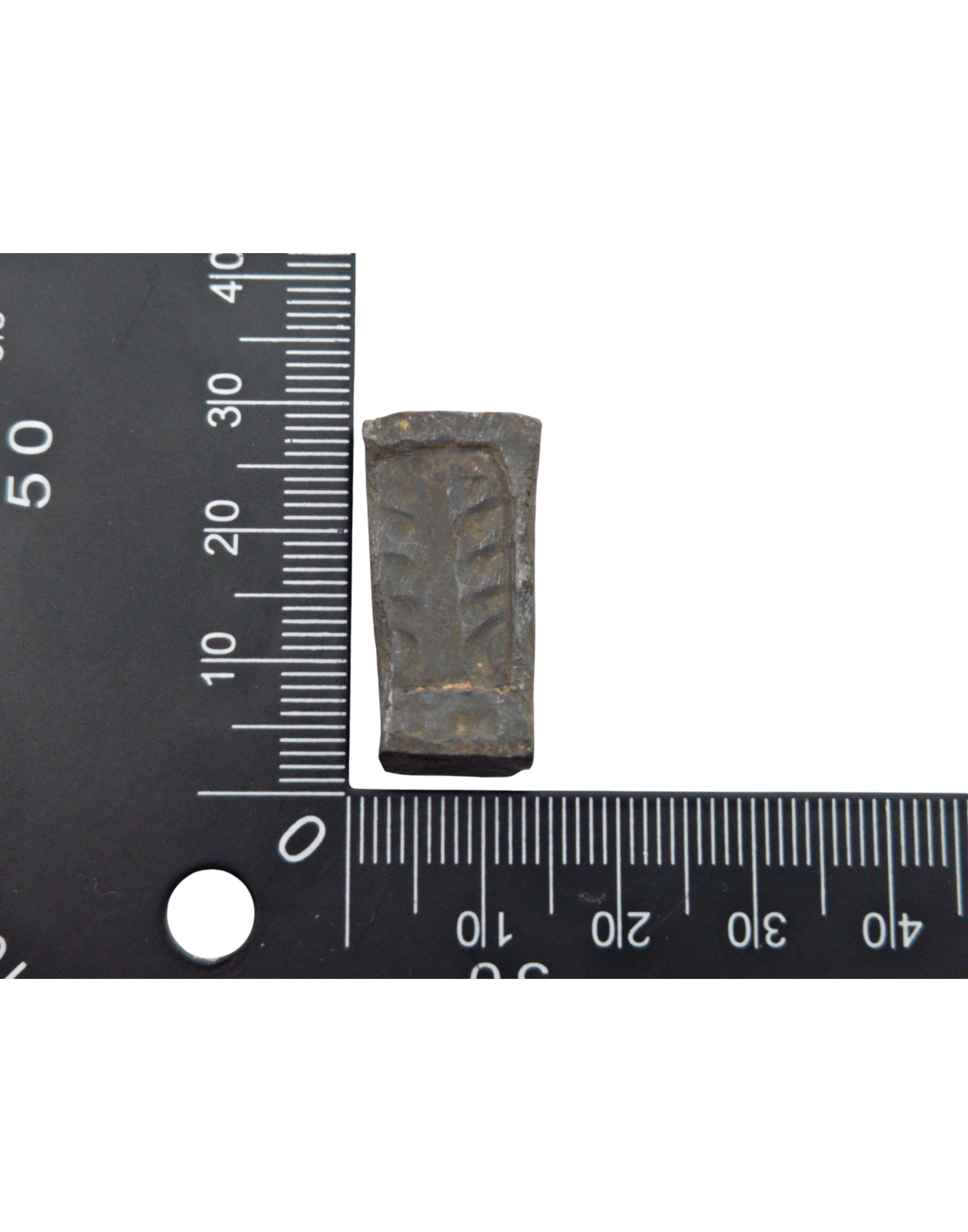
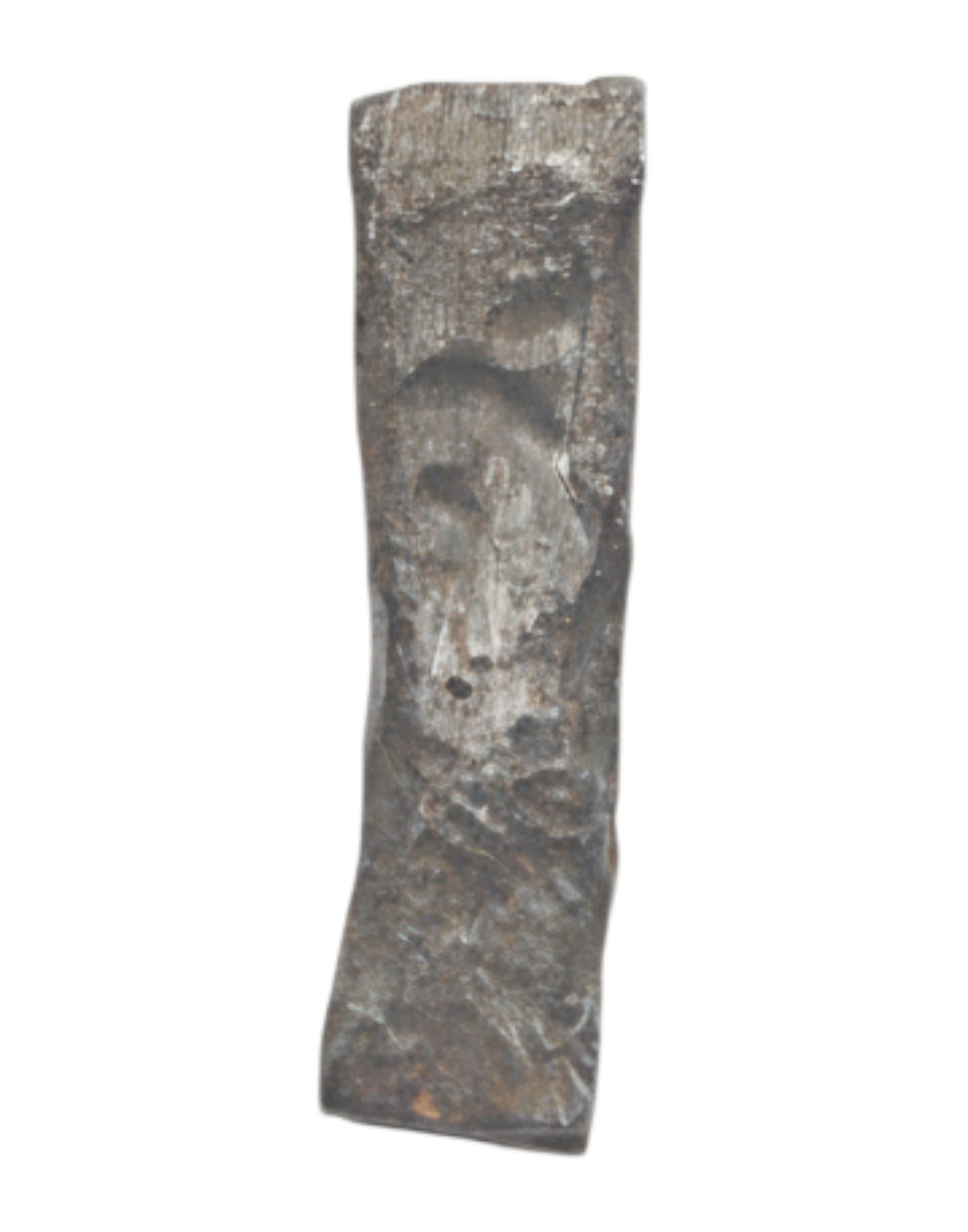
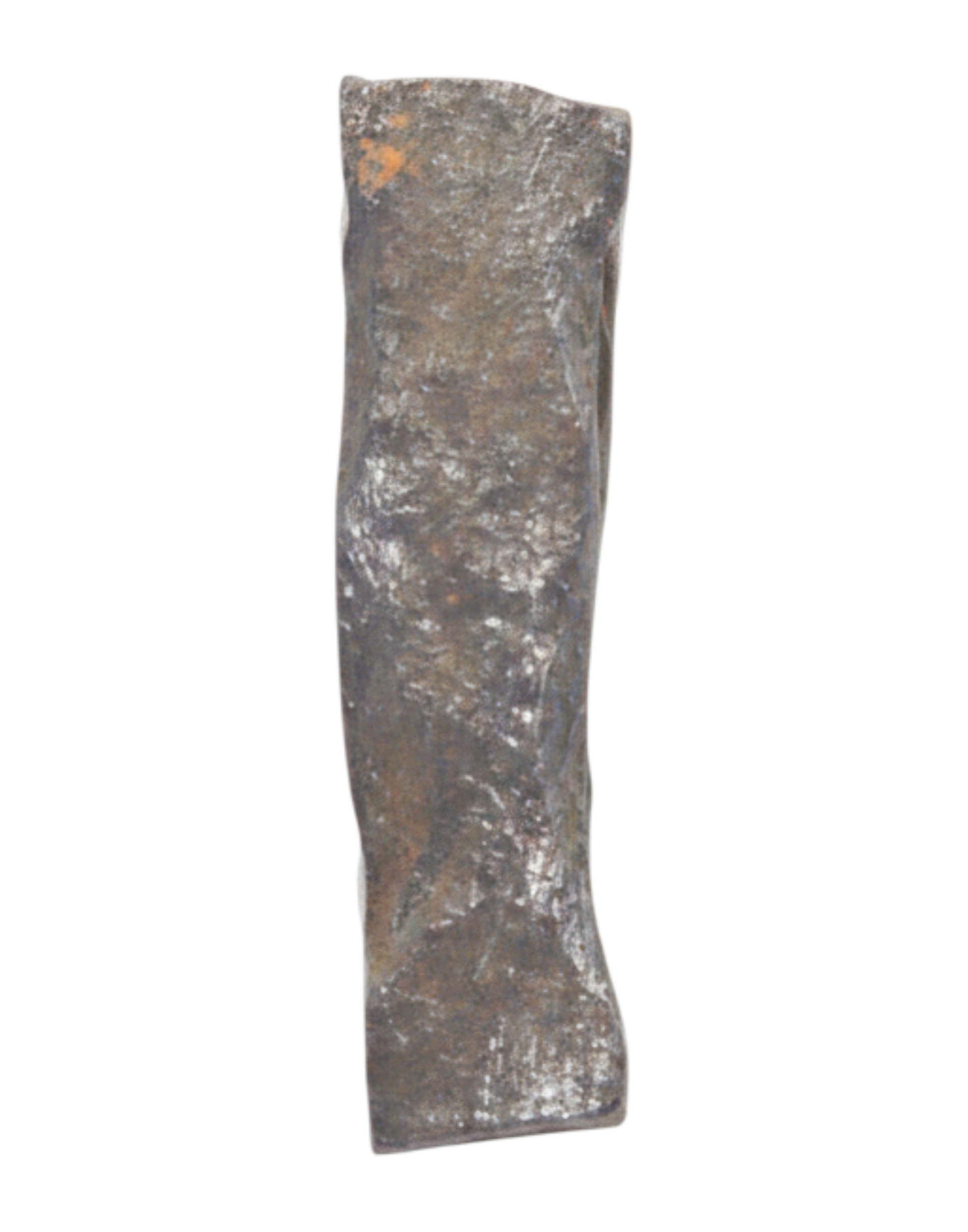
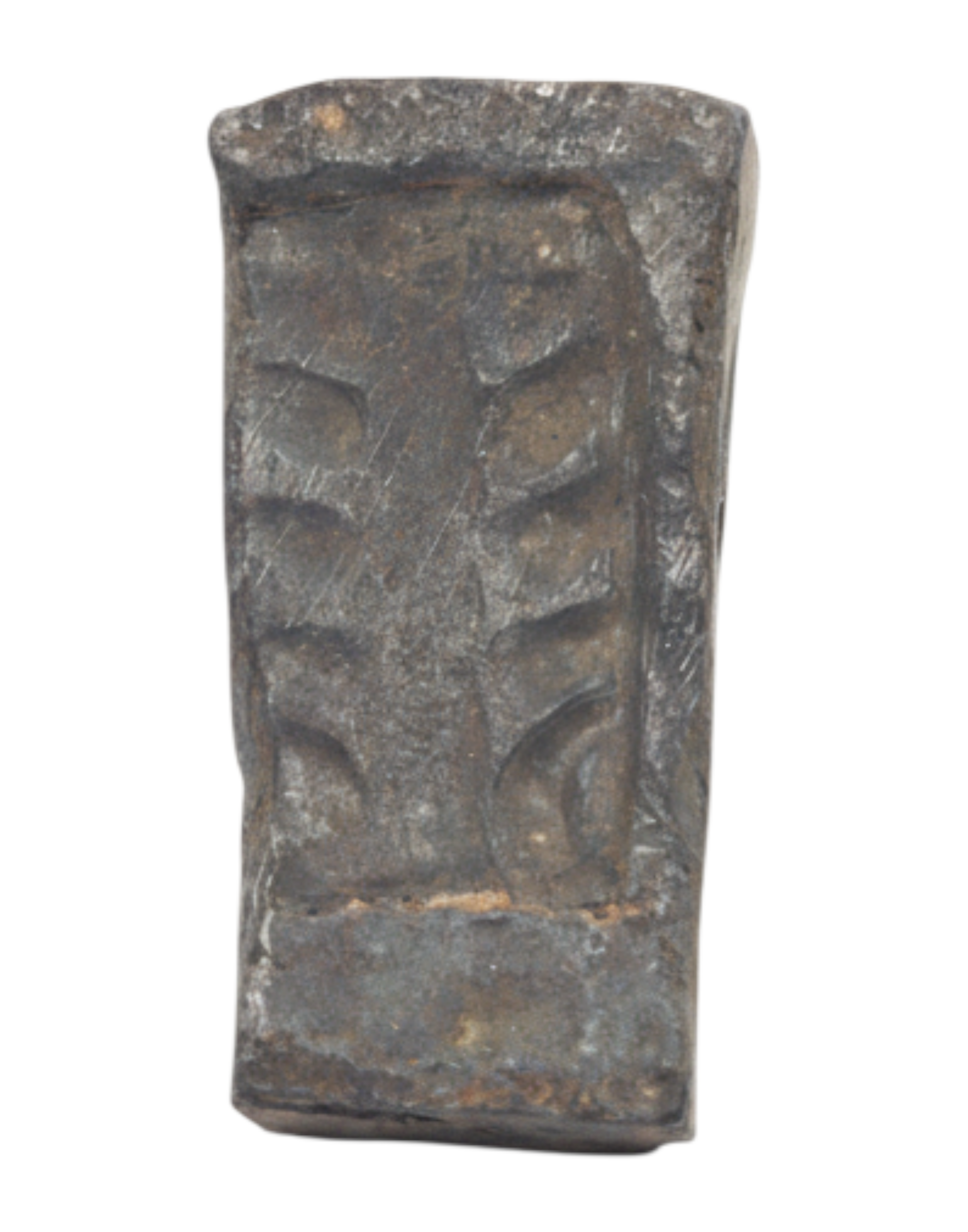
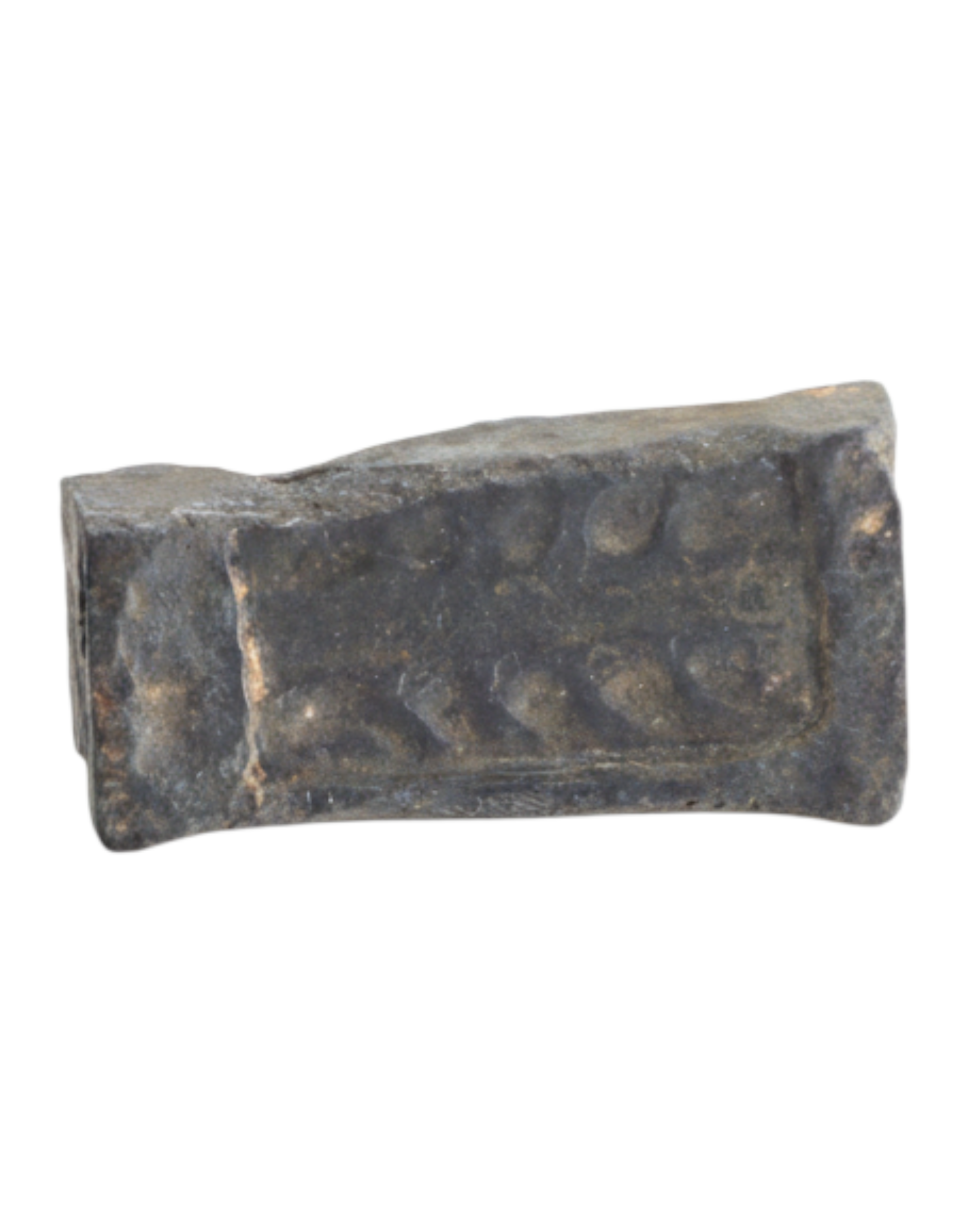
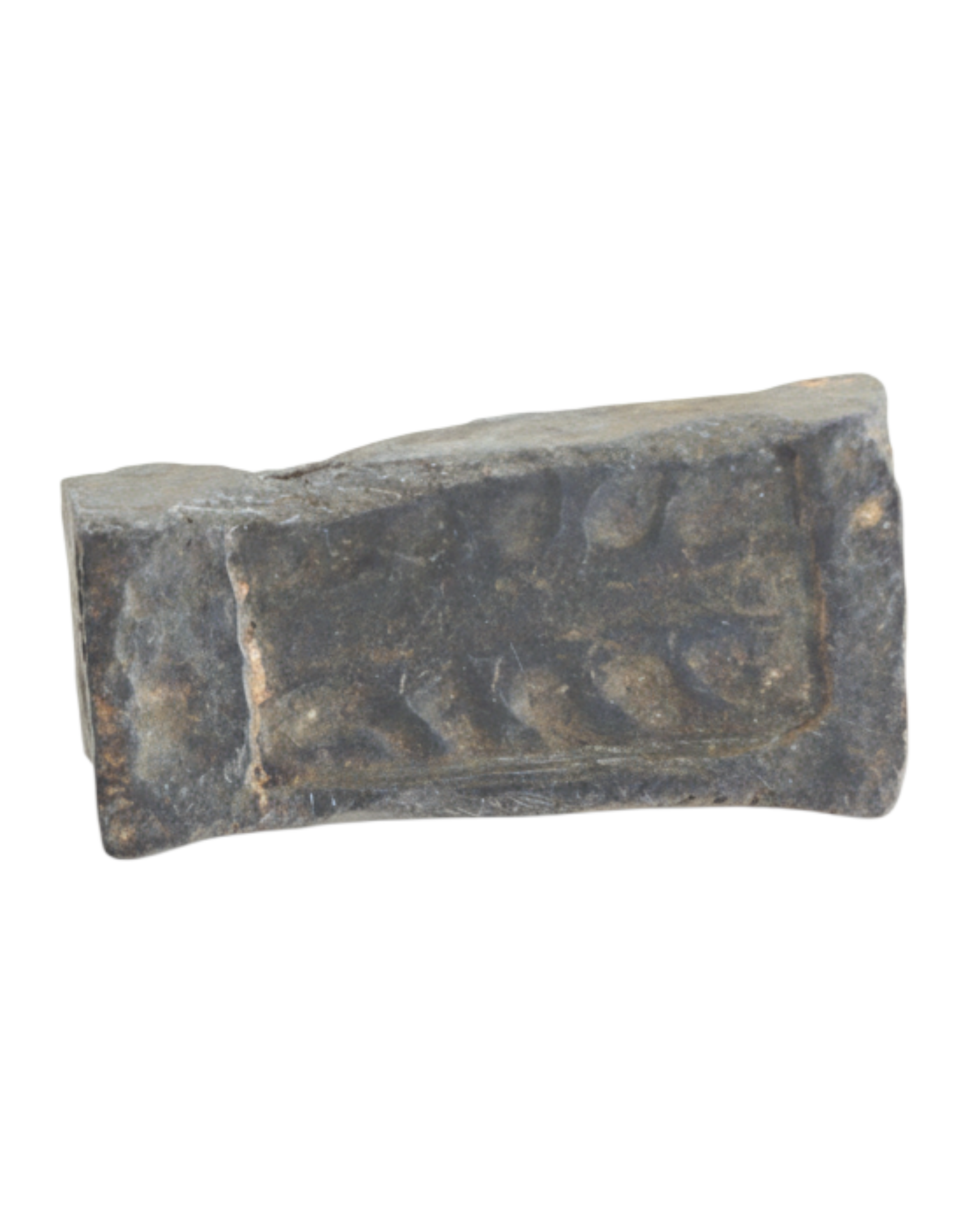
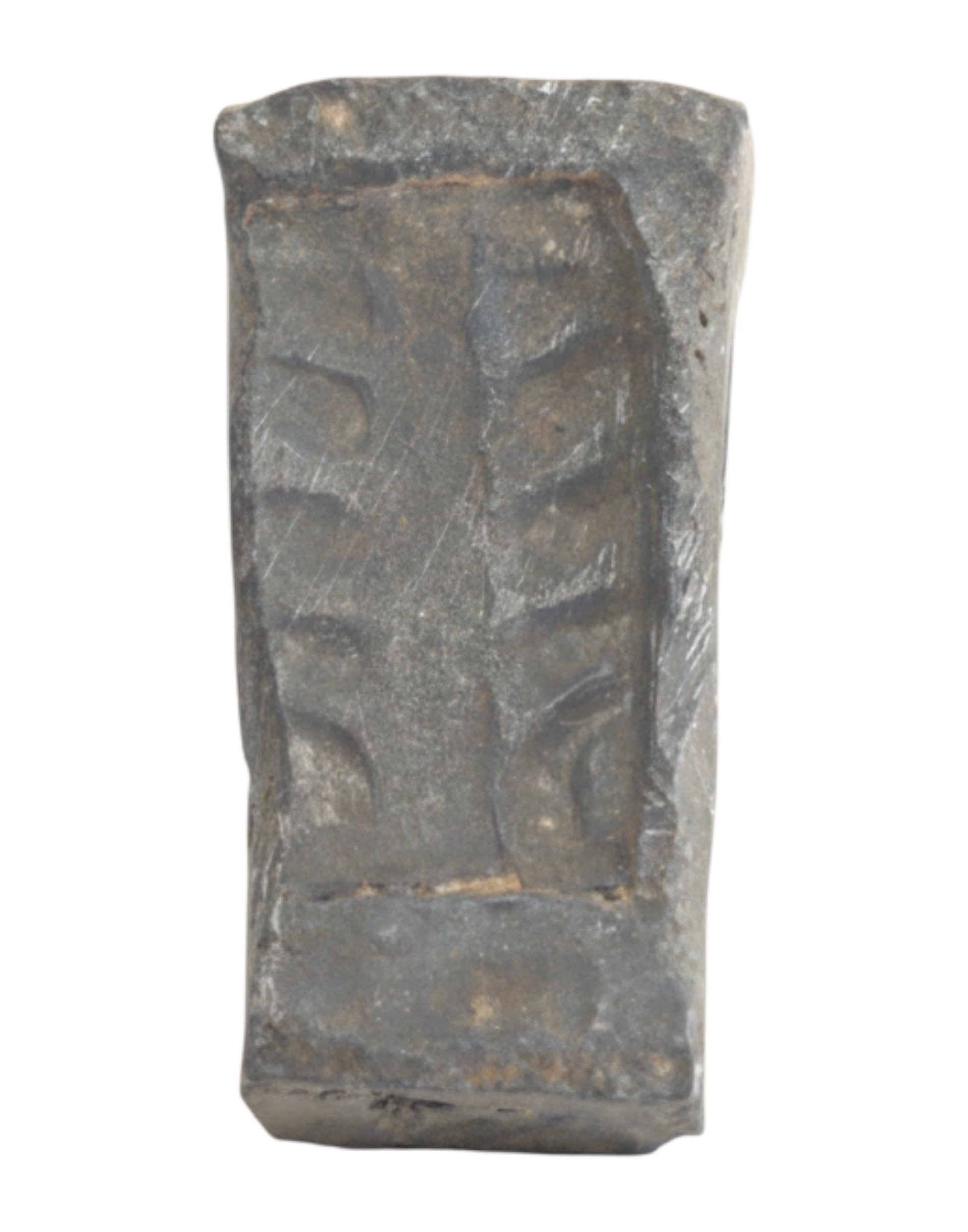
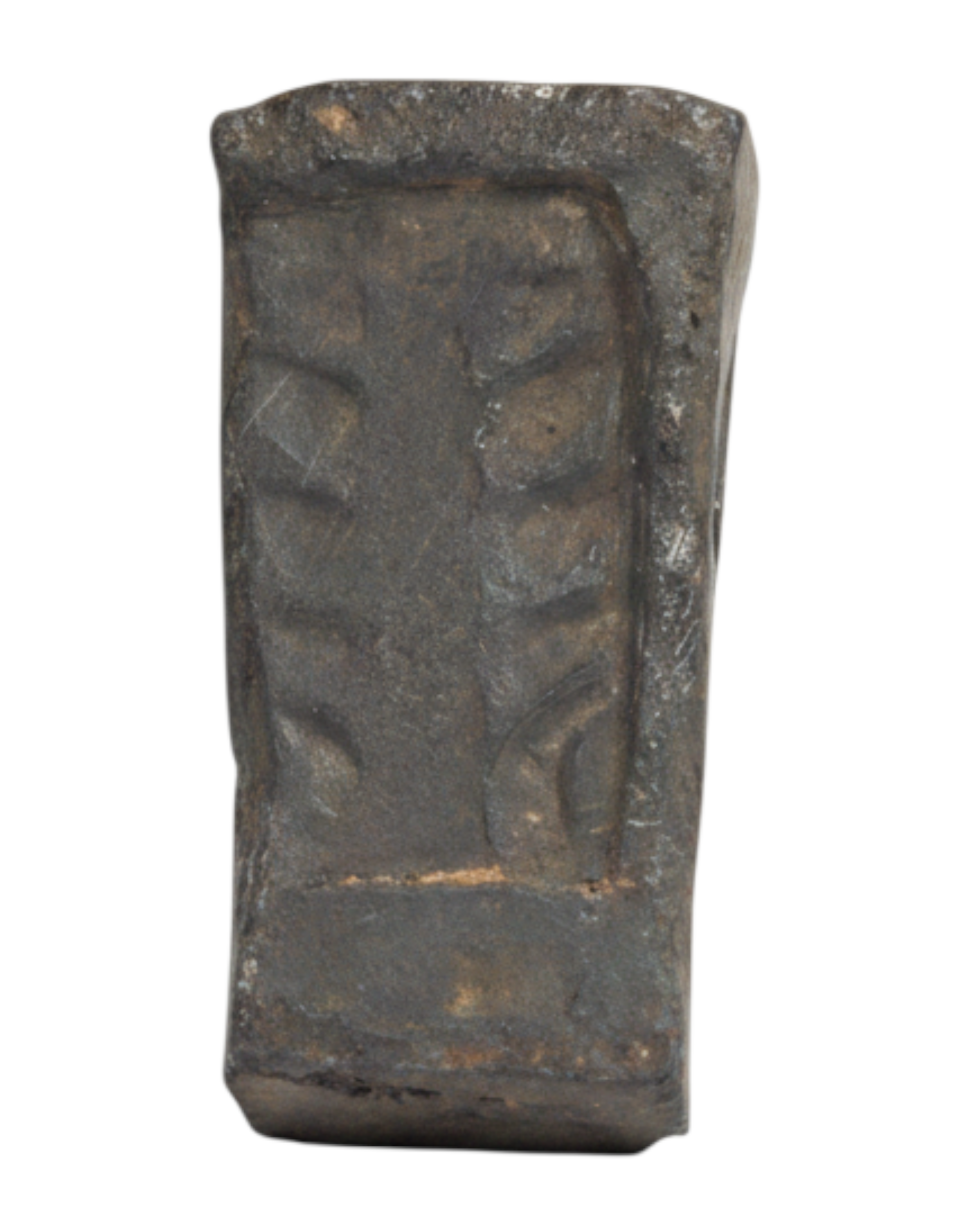
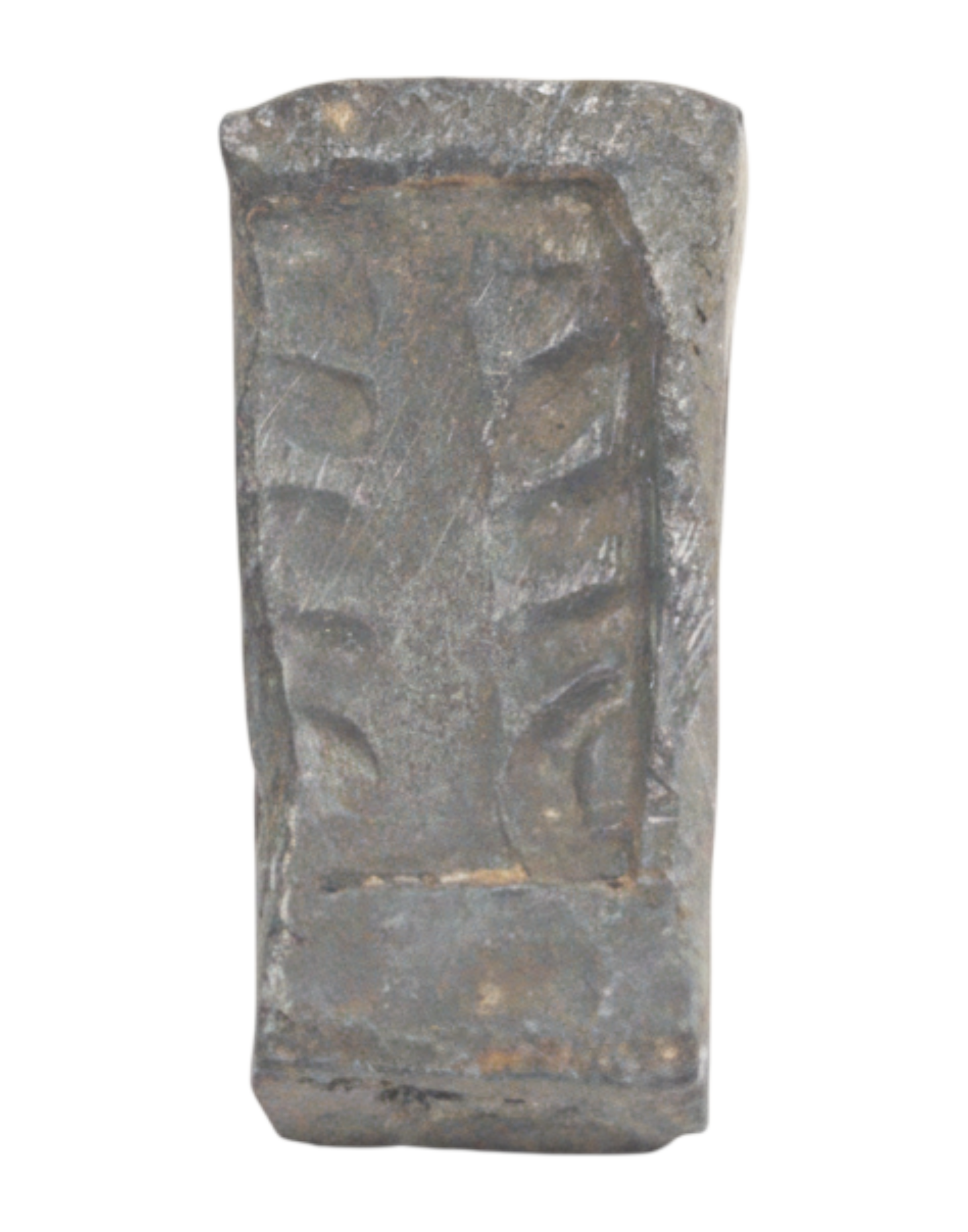
This exceptional lead artifact offers a unique window into the spiritual and commercial world of the Majapahit Golden Age. Featuring the sacred "Tree of Life" motif on both sides, this piece is a remarkable example of ancient Javanese craftsmanship, where functional trade objects were often imbued with deep cosmological meaning.
The Gunungan (Tree of Life): The front is deeply embossed with a crisp, rhythmic herringbone pattern representing the Gunungan or World Mountain. In Indonesian culture, this symbol marks the center of the universe and the source of all life.
Mystical Reverse: Upon closer inspection, the reverse side reveals a faint, hauntingly secondary impression of the same sacred tree. This dual-sided decoration suggests the object was more than a mere weight; it likely served as a ceremonial amulet representing cosmic balance and spiritual protection.
Cast from solid lead, the piece possesses a genuine, thick archaeological patina with natural cooling ripples and casting marks on the edges, confirming its centuries-long burial in the Indonesian earth.
In the bustling maritime networks of the Majapahit Empire, lead and tin bars like this were used as a form of "bullion currency." Their value was determined by weight, while the sacred motifs verified the integrity and origin of the metal.
Specifications
Origin: Java/Sumatra, Indonesia.
Period: Majapahit Empire era (c. 1293–1527).
Material: Solid lead with a rich, aged patina.
Dimensions: 27 x 14 x 8 mm.
Weight: 22.0 grams.
Please take a good look at the photos, they are part of the description.
They provide a clear picture of the quality and condition of the product and
they fill in any gaps in the text or correct any errors and are decisive for the description of the product.