

Lavapura/Majapahit era (c. 1050–1350 AD) heavy "Keloh" Ring Money – 42 Grams, itemnumber: W5138
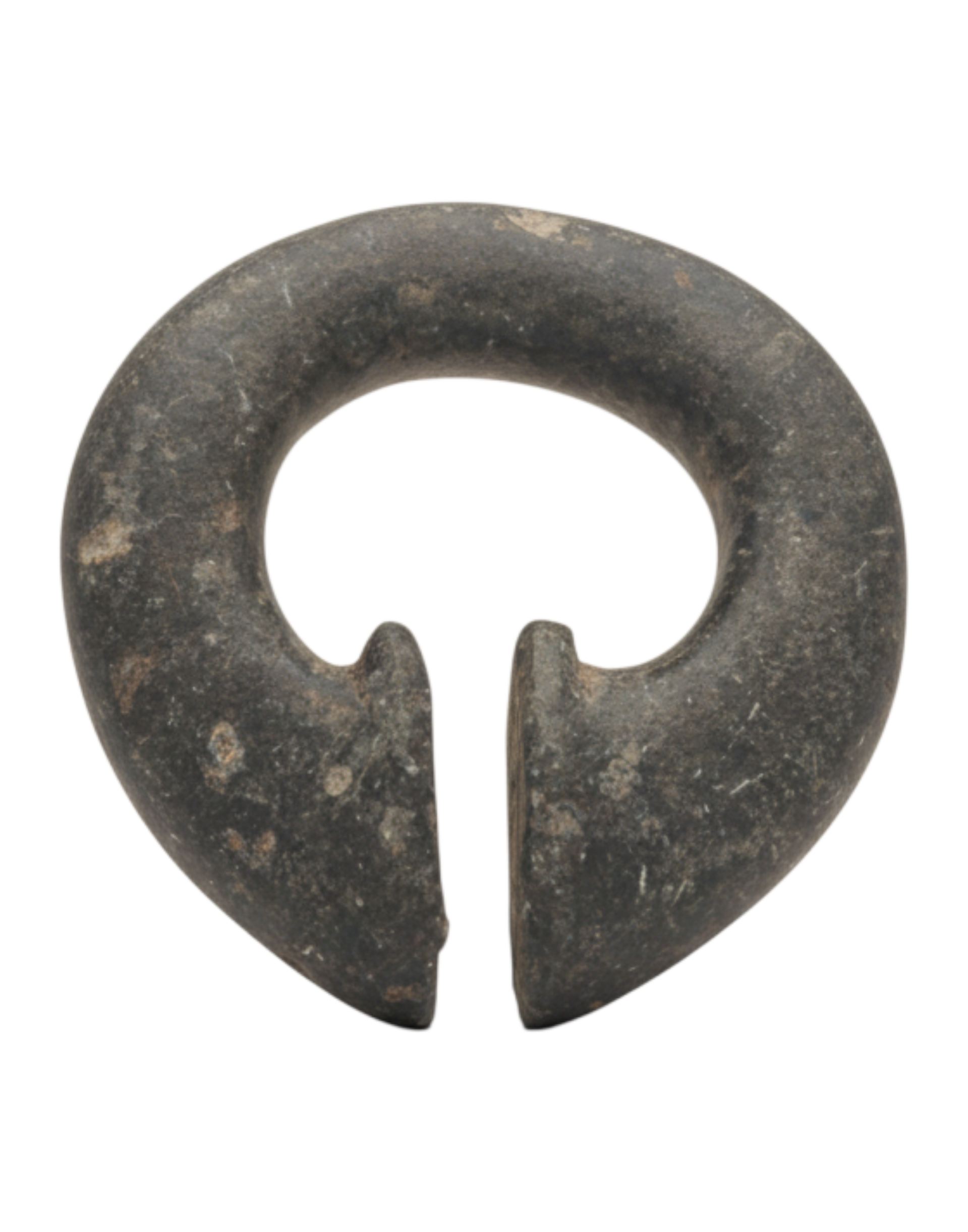
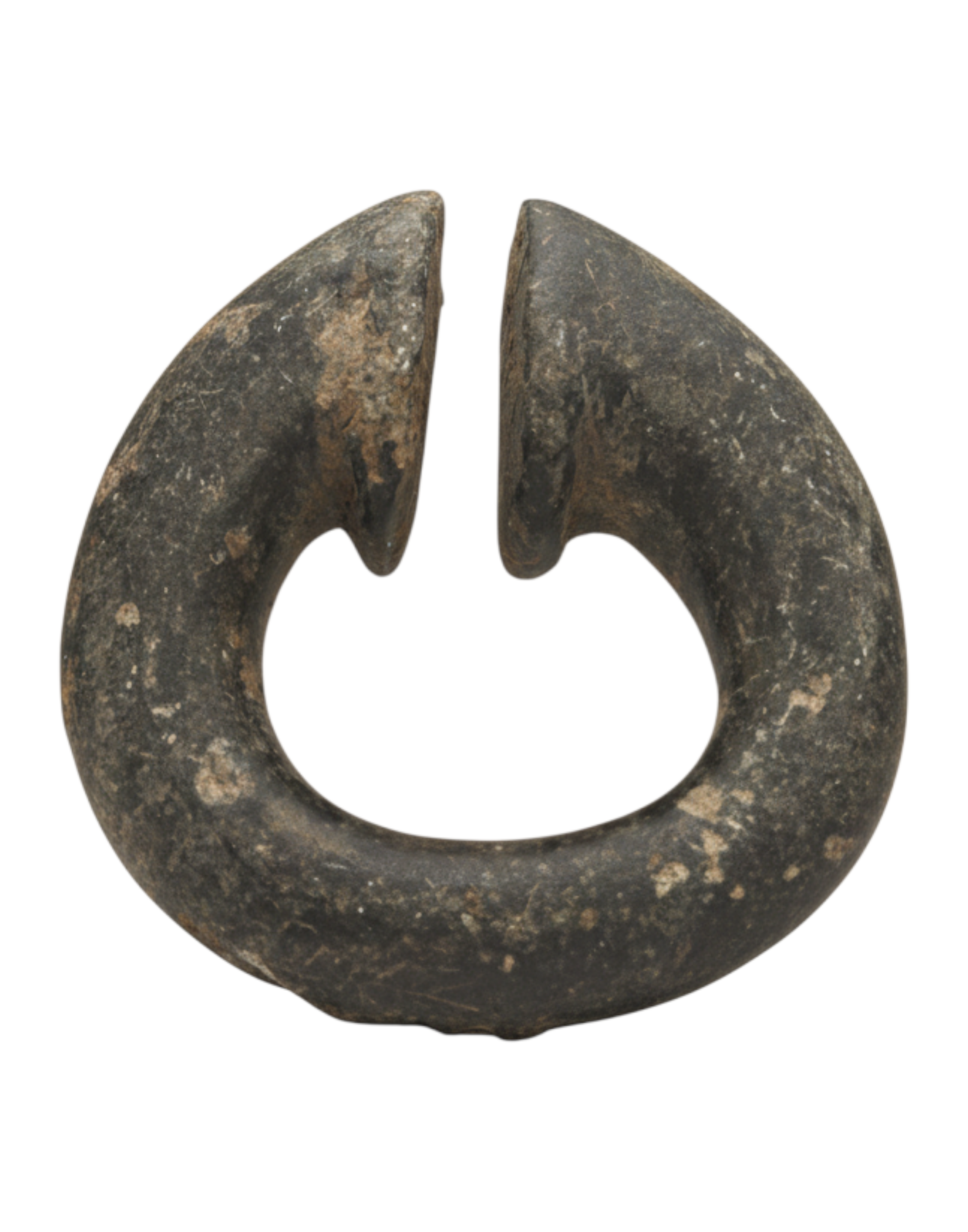
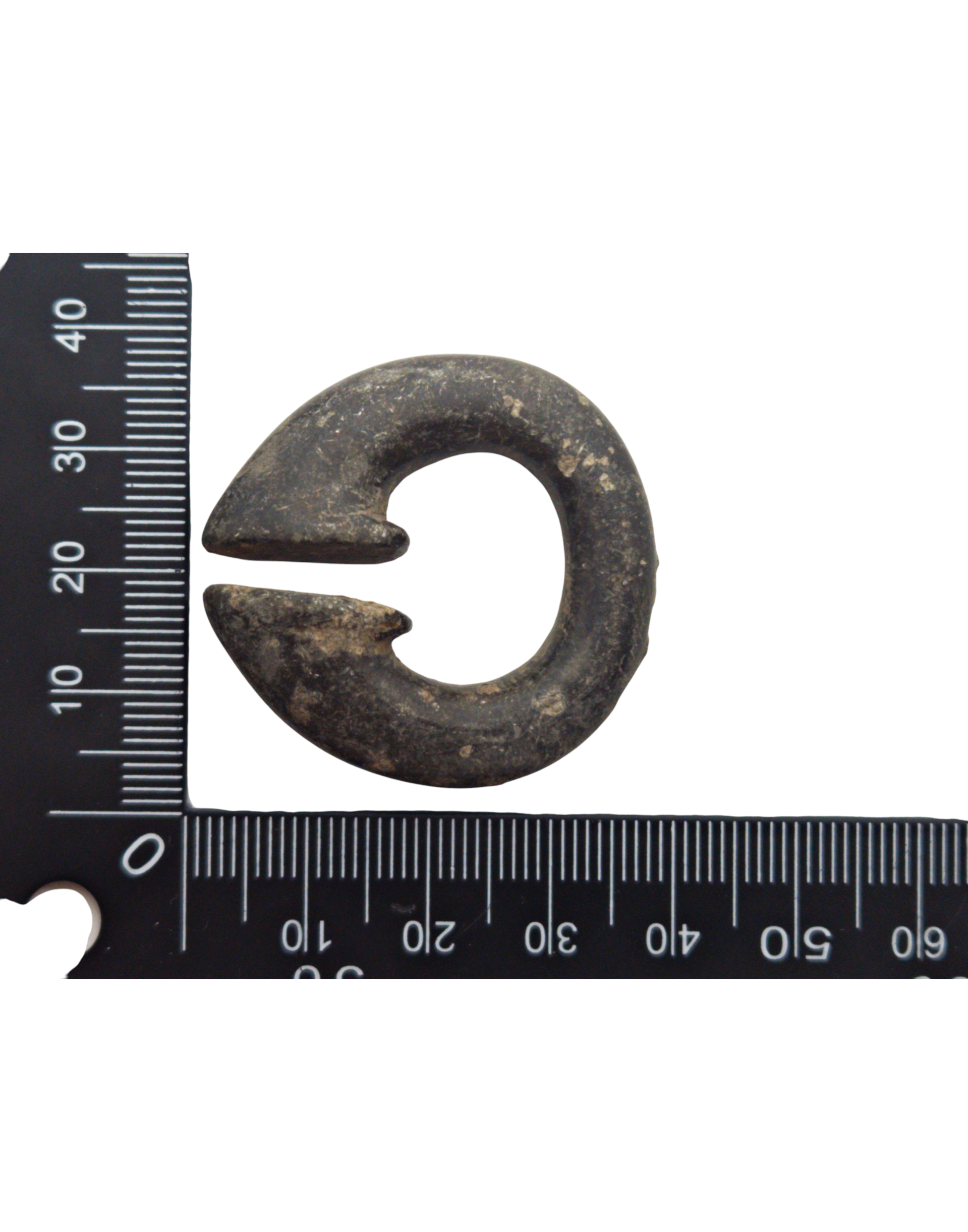
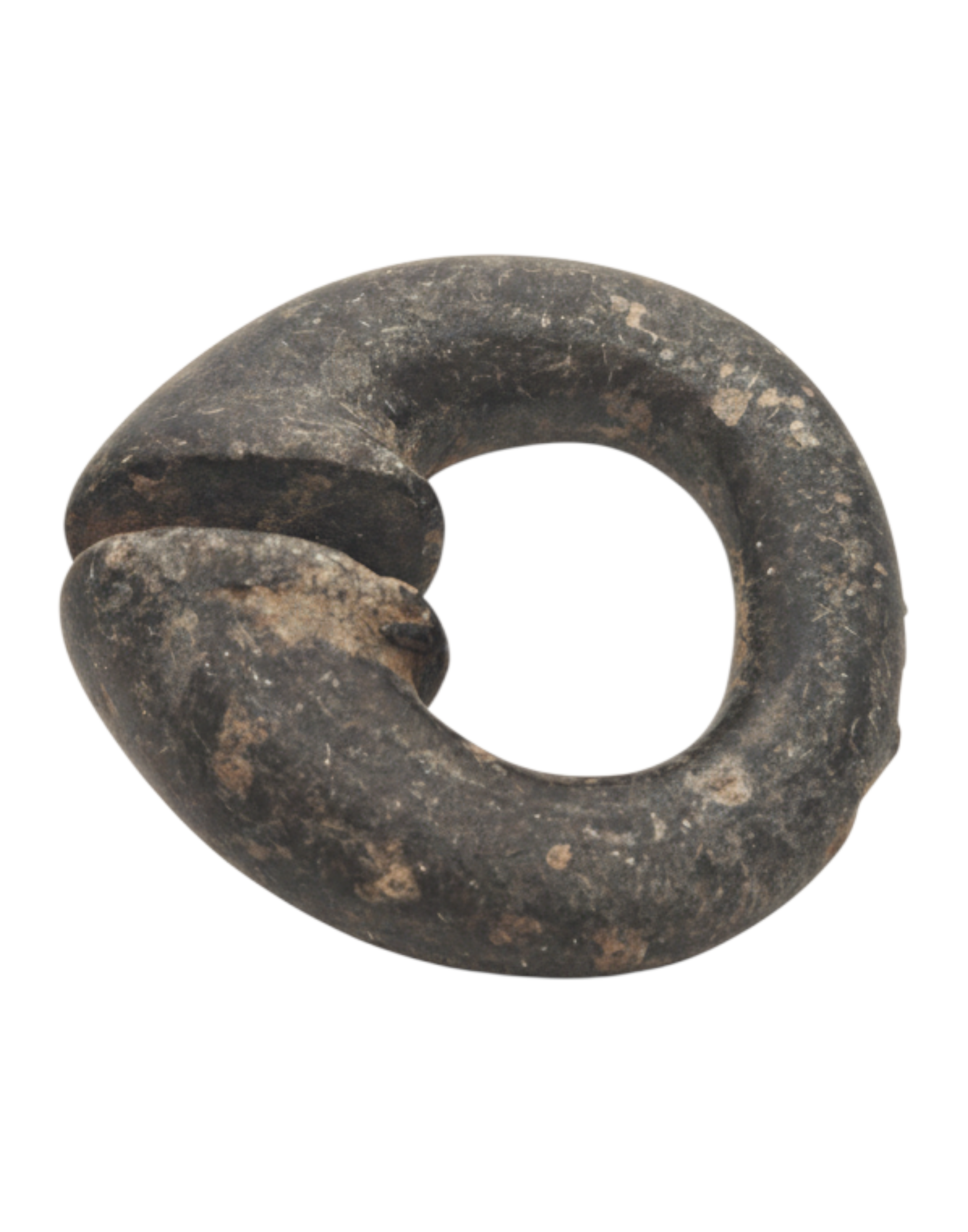
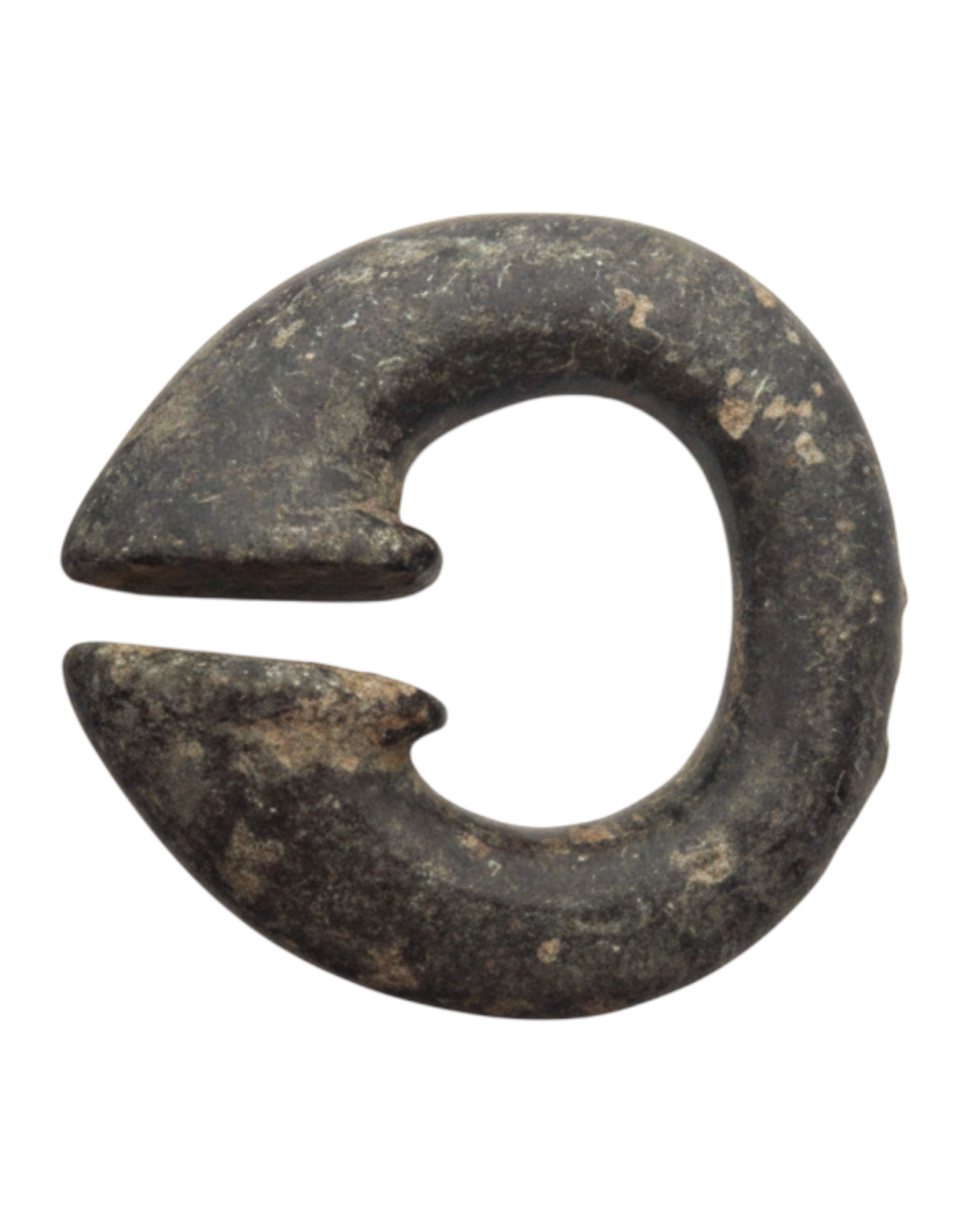
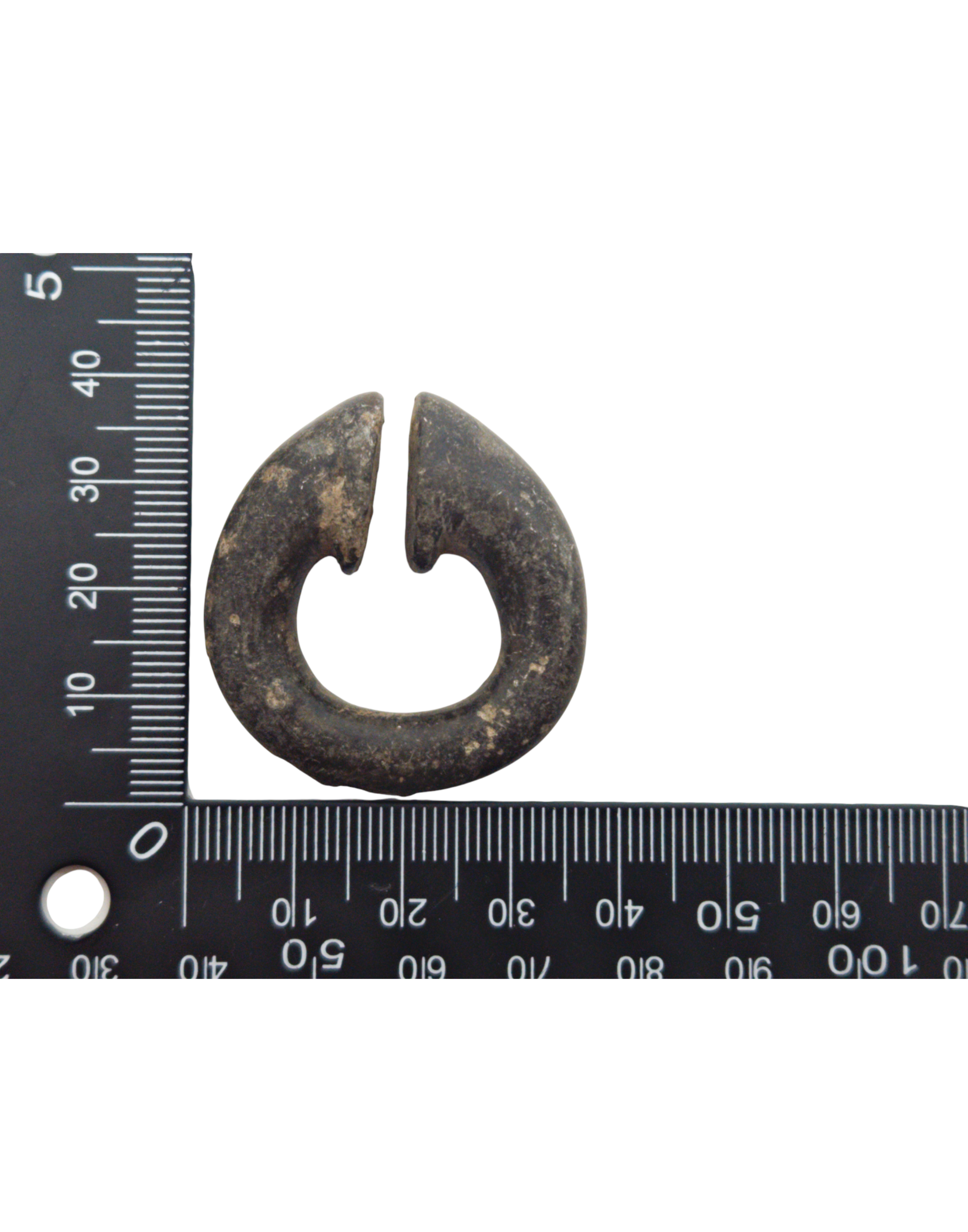
Lavapura/Majapahit era (c. 1050–1350 AD) heavy "Keloh" Ring Money – 42 Grams
This heavy and robust example of a Keloh Ring, representing the upper tier of traditional ring currency from the Java/Sumatra region. While many Keloh rings are smaller, this 42-gram specimen is a substantial store of value, directly linked to the sophisticated trade networks of the ancient Majapahit Empire.
Following the research of Michael Mitchiner and Robert S. Wicks, this piece belongs to the tradition of "lead-alloy loop currency" documented across early Southeast Asia.
The Zhenlifu Connection: Historical records (c. 1200 AD) mention the use of lead pieces for trade in kingdoms like Zhenlifu, a tradition closely mirrored in the Javanese Keloh system.
While scholarly estimates range from the Dvaravati period (c. 200–600 AD) to the Lavapura/Majapahit era (c. 1050–1350 AD), the heavy, solid casting and patina of this piece place it as a prime example of high-value barter money.
Specifications:
Material: Authentic Heavy Tin-Lead Alloy
Weight: 42.0 Grams (Rare, high-value weight class)
Dimensions: 37 x 35 x 14 mm
Form: Classic C-shaped "Keloh" with thickened terminals
Origin: Java, Indonesia (Ancient trade routes)
Patina: Deep, stable archaeological patina consistent with long-term burial in volcanic soil.
Please take a good look at the photos, they are part of the description.
They provide a clear picture of the quality and condition of the product and
they fill in any gaps in the text or correct any errors and are decisive for the description of the product.